What you avoid out of fear will hold you prisoner until you set yourself free
So lately, I’ve been doing a lot of shadow work journaling (because this is the year we integrate all our parts in order to lovingly embody our full selves!) and it’s forced me to really listen to those fear- and shame-based parts of myself that we all would prefer stay silenced.
It is uncomfortable work, pushing yourself to sit there and let those thoughts and repressed emotions come to the surface, and it can be even more uncomfortable to let them speak without instantly dismissing them. Actually leaning in and listening requires a certain confidence in yourself to do, because you have to believe that whatever surfaces, you can handle it.
If you didn’t have that belief, it makes sense that you would continue to avoid it. But if I may remind you, confidence usually follows action. It comes as a result of witnessing your own capability. So if you don’t do the thing you’re avoiding out of lack of confidence, how is that confidence ever going to show up?
…
So lately, I’ve been doing a lot of shadow work journaling (because this is the year we integrate all our parts in order to lovingly embody our full selves!) and it’s forced me to really listen to those fear- and shame-based parts of myself that we all would prefer stay silenced.
It is uncomfortable work, pushing yourself to sit there and let those thoughts and repressed emotions come to the surface, and it can be even more uncomfortable to let them speak without instantly dismissing them. Actually leaning in and listening requires a certain confidence in yourself to do, because you have to believe that whatever surfaces, you can handle it.
If you didn’t have that belief, it makes sense that you would continue to avoid it. But if I may remind you, confidence usually follows action. It comes as a result of witnessing your own capability. So if you don’t do the thing you’re avoiding out of lack of confidence, how is that confidence ever going to show up?
What do you think you’re missing right now? You’d probably say something like “the feeling of being capable”, or “strength”, or “belief in myself”, but if you prove to yourself through action that you can actually handle doing something, those feelings would naturally follow, because you’d have the proof you’ve been waiting for! Pretty cool how that works. I mean, it sucks at first because you have to start out feeling not that great about it, but you will be rewarded for it. Trust.
If you experience a lot of anxiety in general, you might think you don’t have this issue of avoidance. Like, the anxious parts of you are constantly making themselves heard, right? But are you listening? Or do you push it away, distract and repress?
As someone who has struggled with anxiety since childhood, I would actually go as far as saying that if you experience a lot of anxiety, you might have more of an issue with this than others. That is a generalization, but allow me to explain what I mean:
Anxiety is there to tell you something, right? It’s a messenger. But the message can’t be delivered if you keep running away and fighting it at every turn. I know that is our human instinct because we don’t want to be uncomfortable or in danger. But listening to your anxiety is actually super important to discern which of those you’re dealing with.
Am I uncomfortable, or am I in danger? Both can be fixed, but obviously with very different approaches.
It’s funny to think back on all the things I ran away from, believing my nervous system who told me I was in danger, when in reality I was just uncomfortable. Of course, it wasn’t a conscious choice. There was little to no inner dialogue about much of it, it was more like anxiety arises → feelings of danger and distress take over → run away.
And then as soon as I had “escaped”, I’d feel a flood of relief. Like, disaster averted. But of course, what actually happened a lot of the time is that I created a new problem instead, because most of the things I ran from were opportunities, not threats.
This is a complex topic, and there is also a conversation to be had about how much discomfort a person can take.
I’d also like to add a small side note here that for autistic people, it can be difficult to discern between things like sensory overload, and anxiety due to being out of our comfort zone, especially when we’re young. Your comfort zone can be safely expanded, but your sensory “budget” kind of is what it is. Personally, my tolerance for sensory stimuli has gotten much higher with age though, so wherever you land on the spectrum of sensory sensitivity, it doesn’t have to be permanent.
The point is, in order to feel capable, your nervous system needs proof. And in order to collect proof, you have to do things that feel uncomfortable (not dangerous!) at first, and with practice, these things will be incorporated into your comfort zone and they will start to feel normal to you. What you once avoided out of fear, will now be an everyday thing.
Even if you never became that comfortable, even if you still felt some fear before you were about to do something, would that really mean you’re better off giving up on it?
Can we not reframe the goal in that situation? Isn’t it still a tremendous achievement, maybe an even bigger one, to prove to yourself over and over again that you can do the thing part of you fears and wants to avoid? You keep feeling the fear and doing it anyway. That’s actually incredible! Think of all the people who weren’t bothered by that thing at all, and they did it no problem, and here you are doing it too when it was that difficult for you! That’s what it means to be brave. Bravery is not required if you’re unafraid.
You know how some musicians say they always get so nervous that they throw up before going on stage? But I bet every single one of them is someone’s favourite artist. Every single one of them has someone out there just so incredibly grateful that they do go out on that stage, instead of running away from the thing they fear, because otherwise their unique contribution would be lost.
We’re all scared of something. And most of our fears, even the ones we don’t talk about much because of how rooted in shame they are (and shame is the feeling we all most want to avoid), are normal and common. And they occur for completely logical and evolutionary reasons that are meant to protect us.
Most days, I’m friends with my anxiety. I know it’s just there to protect me, it doesn’t want to hurt or scare me. A tip I have found very useful is to actually thank your anxiety or your brain out loud. Say “thank you for trying to keep me safe” and give your head a little pat :’)
I’ve also found it useful to visualize that all the versions of myself are in a car together, and the anxious part is usually a child- or teenager-version of me. Everyone is free to speak up, but I’m the one driving. The version of me who is confident and capable, she will listen to the other me’s in the car, but if any of them wants to drive, they are gently reminded that I can’t let them do that, because that wouldn’t be what’s best for us.
They are welcome to stay in the car, but I’m going to be doing the driving.
Anyway, anyway, anyway.
What made me start writing this in the first place is that I had some thoughts come up during my shadow work earlier that I wanted to share. I was feeling unusual amounts of anxiety for a few days and it felt like I was avoiding something, though I couldn’t put my finger on what, so I sat down with my journal and allowed the feelings and accompanying thoughts to surface. It was uncomfortable, and I did actually have to push myself quite a bit to stay in it.
The feeling I was avoiding was one of rejection, or the anticipation of it.
For the past couple days, I have been trying to edit a YouTube video, but I’ve been feeling a lot of resistance around it. Like putting it off, making excuses, sometimes even feeling real anxiety at the thought of working on it. This made me curious, so I wanted to figure out what this was about. (That’s another tip for dealing with anxiety or unpleasant emotions by the way, try to meet it with curiosity instead of annoyance if you can.)
Here are the thoughts that accompanied my sense of anticipatory rejection:
“What if my confidence is just delusion and everyone can tell? Like I have this positive mindset that tells me I can do it and everything is going to turn out fine, but what if that’s a lie and people are actually seeing me for what I really am, which is cringey and ugly and uncool and they pity me because I don’t know how retarded I seem?” (My mind did actually use the R-slur lmao :’) I wanted to be really honest here so we’re keeping that part in.)
In this mental image, it really was like seeing a group of people all standing in a crowd around me, looking at me with disgust for not “knowing my place” and thinking I could be this person… but already here, this “reality” is coming apart at the seams. If “this person” is me, then I already am that person. This means I’m not trying to be something, I already am that something.
As for the potential rejection from others, well. I trust myself to be able to handle it if it does happen. I’ve handled emotional pain before and I can do it again. That’s all it is, emotional pain. And it’s fleeting, too. And that’s the worst case scenario.
When you think about it, there is no such thing as people. Everyone is just someone. The world is made up of individual humans. Individual humans might have something to say about you or what you’re doing, but they don’t speak for everyone. They’re just the one speaking right now, so we might mistake that for some universal opinion. Of course, there’s no such thing, so you’re much better off asking yourself what your opinion is and letting that guide you.
Another thought I had was “maybe I should wait until I’m closer to my weight loss goal before posting videos, because if I post now, then people will see me before I’ve hit my goal.” Part of me believes that I’m not “good enough” to allow myself to be seen yet. That I need to be “better” first. Even though in so many ways, I’m already better than I was last year, and the year before, and the year before… that’s still not good enough.
Of course, this thought is just trying to keep me from potential rejection, harm and discomfort.
It is uncomfortable to have to stare at your own physical form for hours while editing a video, if you’re not completely happy with what you see. It’s easier to put it off until you become good enough and in theory won’t find any flaws that need correcting. But I’m trying to use that as exposure therapy and intentionally accept that this is what I looked like at the time of filming, and that can always change and improve if I want. It’s okay.
I’m also scared of other people seeing me through that critical lens and letting me know about it (because it wouldn’t impact me or hurt if they didn’t say anything), and something I’m maybe even more afraid of is other people giving me new insecurities that I didn’t even have before, like pointing out something I’ve never even noticed about myself. Really hate it when that happens.
But again, if that does happen, I trust myself to be able to handle it. And again, these are worst case scenarios. That means any other scenario is much more likely to happen!
Maybe the thing I’m most scared of is complete disapproval, ultimate rejection. But actually picturing that is such a ridiculous disaster-scenario that it instantly loses all its’ power. There will be no mob with pitchforks, demanding that I go away forever, or at least until I’m perfect, and then maaayyybe they’d consider letting me back into society.
The lengths our brains go to in order to keep us safe is funny sometimes.
The conclusion I came to, is that you don’t have to wait until you’ve achieved all your goals before you start sharing, before you allow other people to see you, and most importantly, before you allow yourself to be seen by others.
They might sound like the same thing, but to me there is a difference.
You can let someone see you without letting yourself be seen by them. You can allow someone to witness, while still holding back. Still having your guard up, still hiding parts of yourself.
“Allowing yourself to be seen” puts the focus on you, not them. It tells you that it is okay for you to be seen, that you are worthy and that it is safe, even if it feels scary.
It gives you the permission that you are the only one who can give yourself.
If you start sharing yourself before you reach all your goals, it gives others who are in the same situation a chance to relate to you. Not just to some vague past-version of you, but this one. And that matters. That has value.
If you start sharing yourself before you reach all your goals, it serves as a record of your progress to look back on in the future. Rewarding for you, and inspiring for others who aren’t as far along in their journey yet.
If you start sharing yourself before you reach all your goals, it creates confidence. You will feel more confident as a result of your bravery, and people who relate to you will feel more confident in themselves and their own abilities because they see you doing it. So if you can’t do it for yourself, can you do it for them?
Seeing someone’s journey and getting to be part of it is inspiring.
I hope we can all remember that in those moments where we feel like our contribution could only be of value when it’s perfect, when we are at our absolute best.

Autistic burnout and my 2026 resolutions
Hello, friend ♡
I’ve had one of those weeks where you go to sleep and wake up every day wondering what’s wrong with you. “Why am I feeling like this? What’s going on?” It’s one of the less fun things about being autistic - it can take a good while from noticing that something is wrong until you can pinpoint what exactly the problem is. Sometimes I’m sick or have a migraine for a couple days until it finally clicks, and it’s like “ohhh, of course, that makes sense!”
Burnout can be a sneaky bitch, though. It can hit you quite suddenly, or be so gradual that you hardly notice until one day when you realize you’re barely functioning, and you think “How long have I been living like this?!”
No matter when and how you notice, it has been building gradually. You don’t burn out overnight. And when you notice, the pattern becomes clear.
…
Hello, friend ♡
I’ve had one of those weeks where you go to sleep and wake up every day wondering what’s wrong with you. “Why am I feeling like this? What’s going on?” It’s one of the less fun things about being autistic - it can take a good while from noticing that something is wrong until you can pinpoint what exactly the problem is. Sometimes I’m sick or have a migraine for a couple days until it finally clicks, and it’s like “ohhh, of course, that makes sense!”
Burnout can be a sneaky bitch, though. It can hit you quite suddenly, or be so gradual that you hardly notice until one day when you realize you’re barely functioning, and you think “How long have I been living like this?!”
No matter when and how you notice, it has been building gradually. You don’t burn out overnight. And when you notice, the pattern becomes clear.
I should clarify here that autistic burnout is not exactly the same thing as “regular” burnout. They do have things in common and some overlapping symptoms, but while regular burnout seems to be mostly about taking on too much for too long, autistic burnout is like pushing yourself to be too much for too long. It is a consequence of living in neurotypical society, unless you take care to accommodate yourself and create a daily routine that supports your needs as an autistic person.
That’s easier said than done, though. It’s also not always realistic. Sometimes I completely ignore my sensory needs in favour of something else, for example, because it all depends on what you choose to prioritize in the moment. It’s like when you have another drink out with your friends instead of going to bed early, because in that moment, you prioritize fun over extra sleep. They’re both important, and you need a little bit of everything in order to live a full life! So this time you get a second drink, and next time you’ll go to bed earlier. There’s no such thing as doing everything perfectly all the time, because there’s no one right answer for what ‘perfect’ is.
But I digress.
I’m very lucky. In theory, I have a lot of control over what my life looks like. I don’t have a regular job, I’m not expected to show up somewhere most days of the week - I’m pretty much free to do whatever I want whenever. So why am I not living like it?
I used to see people on social media talking about everything they’d do if they didn’t have to work. They would spend all day every day painting, baking, gardening, cooking elaborate dinners for their friends and family, take up all the hobbies they ever dreamed of, see the world, volunteer, become a master level woodworker or something. The list goes on.
Whenever I compared myself to them (yeah yeah I know, you’re not supposed to compare yourself to other people, but we all have our moments of weakness), I would always think “I should be doing more with my time. Why aren’t I doing more? Am I ungrateful? Lazy? Unmotivated?” but no, dear reader. I am none of those things, and I know that.
Most days, I’m so grateful I could cry, just for the privilege of being alive on this planet. My mind overflows with passion and ideas, my body hums with excitement, my fingers are tingling with motivation, itching to create. And yet. And yet.
I’m crying as I’m typing this. Coming to terms with your own limitations is not an easy thing to do, and it is made even harder when those limitations are ever-changing. What I can do one day, there is absolutely no guarantee that I can do the next. And that really fucking sucks.
The inner drive to do, be, make, participate, create, make the most of everything all the time, it doesn’t go away on the days where my body or executive function says no. It just means I’ll be sitting on the couch with those thoughts and feelings going through me instead.
This is the reality of having a dynamic disability.
I’m very lucky. A lot of what my life looks like is up to me. But living with these limitations that are constantly fluctuating is a special kind of torture. Okay, that was a bit dramatic. But we all wish we had a different set of problems than the ones we’ve got, right? You are allowed to feel frustrated about the difficult things in your life.
I’m working on accepting my limitations (she says through gritted teeth), but in the meantime, I’m gathering data on what doesn’t work. (That’s a nicer way of saying I’m trying and failing.) It’s just really difficult to let go of the mindset that trying harder leads to a more successful outcome. That’s probably true for a lot of things, but you can’t “push through” your disability. You can only adapt to it. Shape your life around it.
…Which brings me to my resolutions for 2026:
Show that disability who’s boss, once and for all! Okay, fine. Learn how to rest. That’s the actual resolution. It sounds kind of silly, because it’s like, what do you mean you don’t know how to rest? You just chill! That’s it! But yeah, I’m actually really bad at resting, because on the days when my mind and body are telling me that we need to rest, I either ignore it and try to do whatever I was planning to do that day anyway until I crash, or I halfheartedly “rest” while waiting for my energy bar to be recharged enough to start doing stuff. Like in Stardew Valley, when your farmer is out of energy so you go lay in bed for 2 in-game hours and then you get right back to it. So this year, I’d like to learn how to actually rest, and hopefully achieve better balance in my life as a result.
Trust myself more. This is in no way related to anything else in this post, but since we are on the topic of resolutions, I felt like sharing anyway. I want to listen to myself more, take my gut instincts seriously more often. I’d like to consider my own opinion first, before considering the opinions of others. I keep saying that my perspective is as valid as anyone else’s, but I don’t live by that in practice as much as I’d like to.
Keep practicing unmasking and being myself around others. This one is kind of related to the topic of burnout, because masking can be a contributing factor. It takes a lot of internal resources not to be your authentic self, but something I learned last year is that it sure takes a lot of intentional work to be your full self, too. It’s a thousand little moments where you choose not to hide parts of yourself, but instead leave it all out there. It’s one of those things people say get easier with time, so I guess I’ll be your little guinea pig and report back if it indeed does become effortless eventually. Wish me luck! It’s gonna get weird!
Be as social as I can handle, because people = the best therapy. Well, maybe it’s more accurate to say connection, not just people in general, because it matters a lot what you actually do when you’re around others. (Although I still think just being around people can have a therapeutic effect, setting and circumstance does matter a lot here.)
For the past few years, I’ve been determined to improve my social skills (who knew they get so rusty when you live like a hermit for a decade?) and connect with others, whenever possible. I started small with things like practicing small talk with cashiers, and have since graduated to initiating conversation with strangers (gasp!) and actually seeking out social gatherings that seem up my alley (and actually going instead of chickening out at the last second, woo!)
This year, I’m joining a local astronomy society that I’ve been gently stalking since moving here, and I’m prioritizing spending time with friends. Maybe even making some new ones, too! <3
Lastly… this isn’t really a resolution, but it is my new motto that I will try to live by. 2024 and 2025 was the era of “Live as if the world is friendly”. This motto has served me well, and I will continue to carry it with me on my journey.
But 2026 will be the start of a new era; “Live as if you already have permission”.
You already have permission to be yourself, to do that thing you’ve been daydreaming of doing, to speak your mind, to wear that outfit, to take up space - whatever the thing you can’t stop thinking about is, you don’t have to wait for anyone else’s permission to do it. You don’t have to wait for anyone else to go first. And if you think someone has to go first, why not you? Why wouldn’t you be the perfect person to do it?
If you’ve been waiting for permission, let this be it. I love you, now go do the thing!! :D
So anyway, burnout. That’s how this whole thing got started. Realizing you might be experiencing it is obviously the easy part. It’s the thing that comes next that’s confusing, exhausting and discouraging, but also hopefully optimistic and exciting. You navigate the choppy waters in search of land, and there will be land, but you don’t know when and where before you reach it.
If you were hoping for some answers, a “how to recover from autistic burnout”, uhh.. Maybe come back in a year or two? I might have something for you then. Until that time comes, I hope it suffices that we’re in this boat together.
How to rescue yourself
Hello, friend ♡
The other day my dad said something that got me thinking. He said “You’re so open now. Before, it was like you were closed off, retreated into yourself”. And that’s true, I was. Living in survival mode will do that. Your body, by trying to protect itself, is also keeping connection at bay. And without connection, we will wither. Our need for connection is part of our human nature - no one is exempt from it. But we can’t authentically connect if our hearts are closed.
How I feel these days is the complete opposite: like my heart is open to the world. It’s a shift that can be physically felt. And it is a very interesting sensation - this openness, lightness (as in being of light) that can be felt with every breath.
It’s like this was the missing piece of the puzzle, the piece that had been missing for so long that I had forgotten it was supposed to be there in the first place. Does that make sense?
…
Hello, friend ♡
The other day my dad said something that got me thinking. He said “You’re so open now. Before, it was like you were closed off, retreated into yourself”. And that’s true, I was. Living in chronic survival mode will do that. Your body, by trying to protect itself, is also keeping connection at bay. Without connection, we wither. Our need for connection is part of our human nature - no one is exempt from it. But we can’t authentically connect if our hearts are closed.
How I feel these days is the complete opposite: like my heart is open to the world. It’s a shift that can be physically felt. And it is a very interesting sensation - this openness, lightness (as in being of light) that can be felt with every breath.
It’s like this was the missing piece of the puzzle, the piece that had been missing for so long that I had forgotten it was supposed to be there in the first place. Does that make sense?
For a long time I wondered what was required to live in the world. I mean to really live, to feel like an actual human participating in the world, rather than being a passive bystander or an outsider. Someone can be an outsider in certain ways, and still be tuned into the flow of humanity. Being in the world is not the same as fitting in, as conforming.
(Sidenote: I wish there was a way to create images that illustrate the concepts I’m talking about, but I refuse to use AI, so there sadly is no easy way to do that. The mental images I’m seeing are way beyond my own art skills too, so for now, I am limited to words. And while I believe that in principle, you could describe anything with words alone, it remains a fact that we are limited by language)
The best answer I have at the time of writing this, is that this openness is the key. I’m not sure what else to call it, so I’m choosing to call it what it feels like physically.
It’s the sensation that you are one with other people and the Universe. (are they two different things?) The belief that you belong here, just as everyone and everything else belongs here. You are not above or below anything else, you are next to, you are beside, just as everything and everyone is beside you.
When you carry this feeling/knowledge inside you, you automatically begin to live from a place of openness, love, equality, fairness and respect. You begin to treat yourself and others in a way that is truly authentic to you. You feel in tune with yourself and with something deeper. You are harmonizing with everything and everyone else.
Some might call this alignment, and I think that is an equally good descriptor of the concept I am trying to express.
No matter what you’d like to call it, EMDR is what unlocked this feeling for me. Would I have gotten there anyway? I think so. (I’ve known it before, but it was taken from me, both by others and by myself.) But without EMDR doing what it did to my brain, I think it would have taken much, much longer to get myself all the way there. The things I was shown, or perhaps showed myself, through those internal visions and the re-structuring in the weeks that followed each session - all of it helped me to remember what I’m part of. Remember what this is all for.
✧
These days, I live more in the present than in the past. I’m building a strong sense of self not so easily shaken by external factors. I’m existing in the world, feeling more and more like a participant than a bystander. (Some days it comes easily, this comfortable assuredness. Other days, the fear of uncertainty and self-doubt is loud. But as I often talk about, being a person takes practice. It’s okay if it doesn’t come easily, that doesn’t mean you can’t get yourself to where you want to be. Maybe try looking at it like this: your victories will be even more satisfying as a result, your mastery more complete.)
It took serious work to get here. But the thing I really want people to know though, is that ‘the work’ isn’t necessarily what they are picturing. It doesn’t have to be hard, grueling, forceful - in fact I would argue that it shouldn’t be.
This work is different. It’s an act of self-love, of self-respect. This work can be soft, gentle, nurturing.
And here’s another truth: you can give yourself that, without believing you deserve it. Without believing it’s going to “do anything”. And it’ll still work, because it does work.
When we are just starting out in our journey, we don’t always believe in ourselves or what we’re doing yet, because we lack proof of success. We might want to believe, but if you feel like “everything” has failed up until now, why should this time be any different? Maybe you don’t feel deserving of good things either, because so many experiences have shown you that you are undeserving. (Of course, that’s just one way to interpret a negative experience. If you’ve internalized it in this way, it isn’t your fault. But you’re also not correct in doing that - you are deserving, you have always been deserving, and it’s time to let this illusion of unworthiness unravel).
For me, EMDR therapy was the main force of change. However, I was the catalyst, because I am the one who decided I couldn’t live like that anymore, looked up practitioners in my area, chose one to email, meet with, and continue seeing regularly for several years. I was the one who did the work.
Just as you have to, when you are ready.
Being “ready” is both a feeling and a decision. You either wait to feel it, or you decide to be it.
But we are not always ready to make a decision, either. And if that’s you, it’s okay. Maybe you are still in the information gathering phase, and if so, your action phase is still to come. Trust that you will find your way there in time!
✧
A session of EMDR therapy is like having a vivid hallucination of the past, yet being rooted in the present - all while talking through it with the conducting therapist.
It is typically done quite systematically. Before you begin the actual therapy, you decide which specific events (narrowed down even further to individual moments) in your past to work on, together with your therapist. For some, that might be the starting point - knowing the specific traumatic events from your past and then jumping into EMDR. But for others, the road might look different: first, they might need to identify that they are currently being held back by something, or that they have persistent issues in their daily lives which often stem from unhelpful (but protective) beliefs about themselves and other people, and that these beliefs in turn stem from trauma of some kind, before they are ready to begin actual work on it.
You either work from the outside in, or from the inside out. One is not better than the other; they are just different. They both work. You will get where you need to be regardless.
The most important part is that you do the work, no matter what that looks like for you.
But that’s all context, what I really wanted to tell you is that a pattern naturally developed throughout my sessions: when first beginning to work on a specific event, it was mostly like reliving it, but in addition to the reliving, it was like opening the floodgates that held the feelings associated with the memory under control. This was, as you might imagine, pretty intense.
But what came after that is what fascinates me the most.
Suddenly, I would start to see a different version of me, standing there beside myself in these memories. This would happen in therapy, during the session - and it happened for every single event we worked on.
The first time, I was surprised. And in the later rounds, even as I came to expect it as something that would probably happen, I never pushed it to happen. It wasn’t a conscious choice. It was like watching a movie where the next scene just unfolds, all without any action on your part. Well, I guess that isn’t the best comparison since I was taking action, I was sitting there working through my emotions - but the point is that she just came. She would come every time.
Sometimes it was a roughly present-day version of me, someone I would recognize if I looked in the mirror. Other times, it was a much older version. I can’t see her face as clearly, but I know her as my future self. Her essence is strong, the steadiness that comes with a lifetime of experience radiates from her.
It was so strange. After a lifetime of longing for someone to save me, to hold my hand, in the end it was me. I held my own hand. I rescued myself.
Again and again, I relived an experience in which I had previously been alone, and then suddenly I wasn’t. She was next to me, sometimes a silent support - an acknowledgement that I had been wronged in some way, and sometimes she spoke on my behalf. That was fun to “watch” - the present-day version of myself yelling at people I never managed to stand up to (and even if I did, they never heard me). But she gave them no choice but to listen.
Through that work, I was shown that that power was always within me, even when I didn’t know how to access it. I was shown that I was never alone, have never been alone.
✧
Look, none of us truly knows how this all works, right? Life, The Universe. It’s up to you to choose whether or not to believe that there is a reason for everything, a deeper meaning, order in the chaos, some objective to all of this.
Personally, I find it endlessly fascinating, no matter which side you’re coming at this from. What I will say though, is that the feeling of alignment in essence feels as though it’s originating elsewhere, even though we can feel it strongly within ourselves. It does really feel like a unifying something - something we can be tapped into, attuned to, rather than an emotion that originates individually - and that remains pretty interesting whether you’re looking at it from a scientific perspective or a spiritual one.
The older I get, the less I find that it matters exactly what it is and why. The scientific details, although incredibly interesting, become less important, and the focus naturally becomes on what it can be used for. The good it can do, the change it can drive.
The more people are attuned to this feeling, the more people are unified and attuned to each other, the more we can heal and grow through the problems we as a society are facing.
I will leave you with this:
In rescuing ourselves, we rescue others too. Someone is coming to save you, and it’s yourself first and foremost, but it’s also countless other people. Healing has ripple effects, like a stone dropped in a pond.
By coming to save yourself, you will save others in turn.
You save others by inspiring them to take similar action, or at minimum, to stop taking actively harmful action.
You save others by sparing them of painful interaction with the most unhealed version of yourself.
You save others by letting them know you, see you, because those things carry more power than you know.
You save others by giving them the gift of connection.
All of this will save you, too. There is love in both giving and receiving.
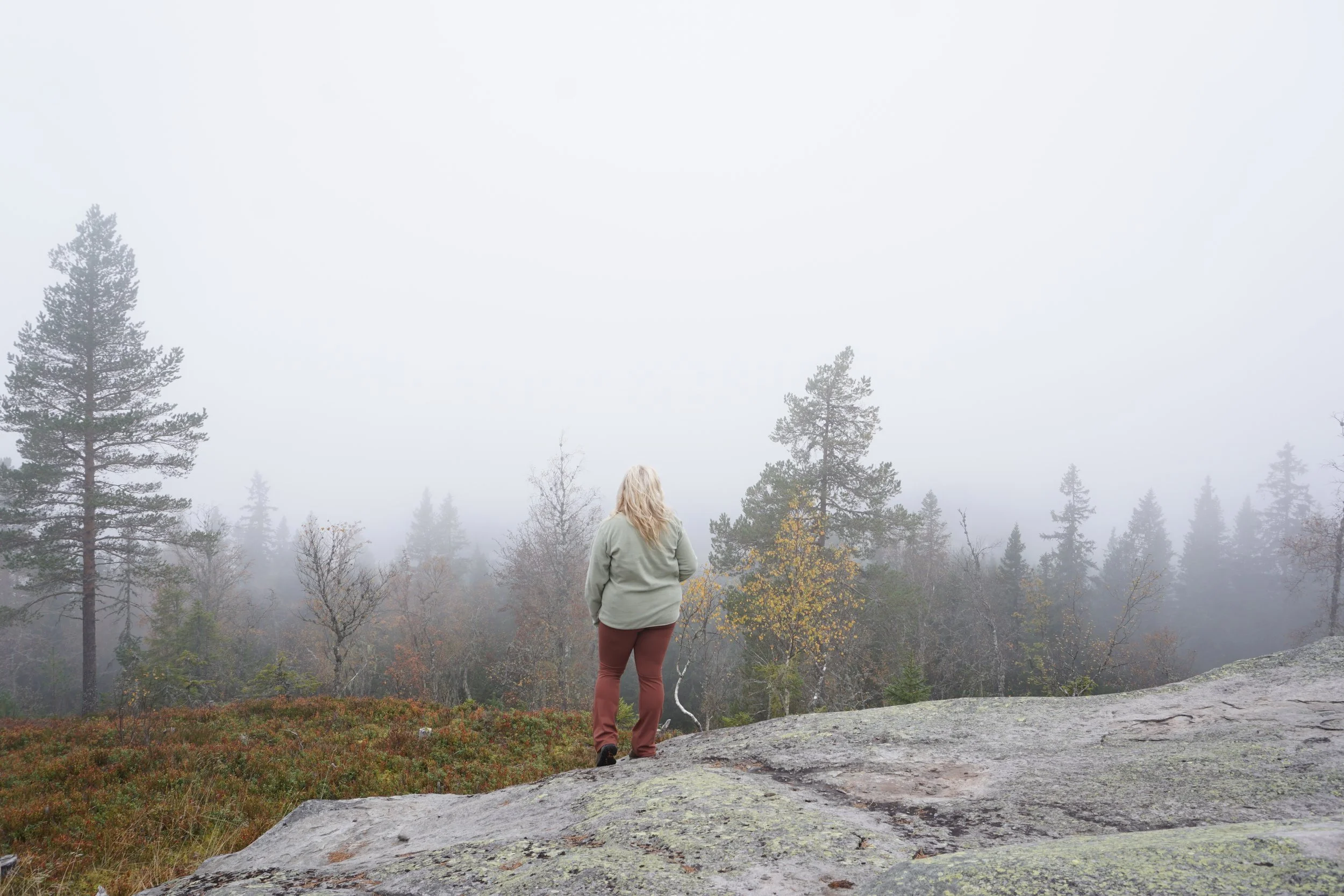
A new chapter & the side effects of therapy
Hello, friend ♡
It’s been a while and I hope you’re doing well! When I started writing the draft for this post over a month ago, life looked quite different.
I wrote about how I’ve been completely exhausted ever since continuing EMDR therapy:
“Over the summer, when we were taking a break, I regained my normal energy levels and was back to my relatively productive self. But immediately following that first session after getting back, it was like being hit by the exhaustion train.
I mean, it makes sense, considering how intense that kind of therapy is. And now that we (by which I mean me and my therapist, Elin) have been doing this work for so long, we’re long past the surface level, obvious trauma stuff - with every session, we’re getting deeper, further back in time to those fundamental episodes and patterns that shaped you when you were very young.
…
Hello, friend ♡
It’s been a while and I hope you’re doing well! When I started writing the draft for this post over a month ago, life looked quite different.
I wrote about how I’ve been completely exhausted ever since continuing EMDR therapy:
“Over the summer, when we were taking a break, I regained my normal energy levels and was back to my relatively productive self. But immediately following that first session after getting back, it was like being hit by the exhaustion train.
I mean, it makes sense, considering how intense that kind of therapy is. And now that we (by which I mean me and my therapist, Elin) have been doing this work for so long, we’re long past the surface level, obvious trauma stuff - with every session, we’re getting deeper, further back in time to those fundamental episodes and patterns that shaped you when you were very young.
The thing is that actively being in therapy is incredibly exhausting. I’ve mentioned a few times how EMDR rearranges your brain and basically throws the puzzle pieces of who you are into the air and you have to wait for the pieces to land again, but they land in a way that creates a whole new image, and it’s better - it’s good - but living in this state of constant change and unfamiliarity is intense.
And you have all these feelings that need to be released, so you cry, and you laugh, and you yell, and when it’s out you do feel better, but you also feel tired.”
I also wrote about how we might be done soon, at least for now, and that it is a scary but also exhilarating time:
“I think this chapter is coming to a close. It feels like therapy, especially EMDR, has done all that it can do for me (and it has certainly done a lot!). But my inner voice is saying that it’s time to stand on my own two feet now. See what it’s like to just exist and be a person without thinking of myself as being “under construction”. It really feels like continuing (at least right now) would be a form of avoidance, procrastination. Because I’m probably as ready as I’ll ever be, but there is always that tendency in us to want to wait longer, to really make sure we’re ready.
But something I’ve learned this year is that this is what being ready feels like. If you think “I could probably do it, I think it would be fine” - that’s it! You’re ready! The rest of that “sure” feeling comes after you do the thing, when you’ve proven to yourself that you could indeed do it and it was indeed fine.”
Since then, I went through a break-up with the person I thought I was going to marry. I had my last therapy sessions, including some deeply productive rounds of EMDR that really illuminated the remaining confusion I had about my past. I’ve spent more time than I have in years, or maybe ever, connecting with family, friends, and strangers.
Something unlocked in me, because it was time. Because it had to happen.
When one chapter comes to a close and another begins, we don’t need to panic. What we need to do is surrender. (I talked about this a bit in my most recent instagram post, if you’d like to go and read that :))
In surrendering, we let go of trying to control what we never could anyway, and we take back control over ourselves. This can be really scary, but proving to yourself that all the safety (which is what control is really about) you need is within yourself, is more powerful than you’d think.
A side effect of therapy that I personally never anticipated (because I didn’t really think EMDR would work for me in the first place, lol) is that you keep being surprised at who you are now.
If you’ve ever lost any significant amount of weight, you know this feeling. You keep being surprised at what you see in the mirror. Some days you barely recognize yourself. Other days you feel like nothing ever changed. You recognize your progress, know that you do things very differently than previous versions of you would. But some days you fall back into old, familiar patterns. It rarely gets as bad as it used to, and you pick yourself up again and return to your new routines with more ease every time. You witness yourself make choices that the old you wouldn’t, and you think “huh, is this who I am now?”
This can last for months, or even years.
Our brains take a long time to catch up, and in the meantime, it can be pretty disorienting.
That’s what this autumn has felt like to me. I am constantly surprised to hear myself say things I would not have dared to say before, do things with relative ease that used to overwhelm me with fear, make choices that feel good and right - even if they don’t always feel like “me” yet, because I still have to get used to who I am now.
When I walk through the rooms of my mind, I can’t help but think for a moment “oh! it looks different in here”, like walking into a space you forgot had been renovated, and for a second, you were expecting it to look how it used to. You can tell it’s the same room as before, it’s got the same bones, but there’s wallpaper and lights and artwork, and those big cracks got patched up, and it feels totally different. It feels warm, inviting, safe.
All the therapy I’ve gone through has changed me as a person, and though I fear it in my darker moments, I know there’s no going back. It cannot be undone. You can’t un-heal. You can get hurt again, but it will never be as bad again, because 1. you know what to do if you get hurt now, and 2. you’ve gotten a fresh start. You’re no longer walking around with a hundred unhealed wounds, actively in survival mode. You’re in a good place to get through anything that comes your way. You know how if you’re already weak, a cold can kill you. But if you’re fit and healthy, a cold is only a minor setback. Get it?
Treatment relieves the burden of trauma, and this is both incredibly freeing and disorienting at the same time.
You have to figure out who you are, all over again. For some of us, we didn’t ever get to develop our personalities fully to begin with. My experience with trauma started in childhood, and by the time I was a teen, I was living in survival mode. I had created an impenetrable steel wall that protected me from getting too close to danger, aka other people. So not only did I not get to have a balanced upbringing where I’m allowed to develop at a pace that feels good, I also did not get to create lasting social bonds or experience true connection with others. The wall that protected me, was also a cage of my own making.
In healing, we come to realize all these things about ourselves.
It’s like suddenly getting glasses after years of blurry vision. Suddenly, the causes and motivations behind everything becomes so clear, and we can see it through the perspective of those who hurt us too.
One of the hardest lessons to learn is that nothing is ever personal. It was never personal that your dad couldn’t be there for you, or that your rapist did what they did. This takes away much of that burden of guilt and shame over not being good enough/different/better that most of us carry with us. But it can also feel like defeat, in a way, to realize that nothing you could have done would have mattered. You could not have been “good enough” for things to have happened any differently. What happened had very little or nothing to do with you in the first place. Congratulations, you’re free! But you’re also powerless.
“But that’s terrifying”, you might think. “Now I have zero control over what happens to me, other people can just do whatever they want!” Luckily, that is still not the case!
I used to think that the bad things that happened to me, happened because I wasn’t good enough to deserve better, at least in the eyes of the person who was hurting me. I thought “good enough” was something I could become, and I chased it, thinking that’s where the bulk of my control lay.
By that logic, if I’m in an abusive relationship, I should focus my efforts on bettering myself so that my partner will see my value, see how good I am, and how not deserving of being abused I am, right? NO. Jesus fuck, NO (I’m torn between wanting to slap my younger self like that Spider-Man meme and yell “your lack of boundaries are allowing people like this to waltz right into your life and take whatever they want, and standing up for yourself once in a while doesn’t work because this kind of person is DEAF to that, they are literally unable to see you as a PERSON because they’re too wrapped up in their own SHIT” but I also want to tell her “it’s not your fault that you got like this, I know your heart is pure and you mean so well and just want to help them BUT THEY ARE UNABLE TO BE HELPED by you right now so you nEED TO GET OUT WHILE YOU STILL CAN!!”
phew. sorry about that, where were we?
We control our own actions, not the actions of others. First order of business, we raise our standards for how people are allowed to treat us. Now, people in your life will most likely notice that something is changing, and they might praise or criticise this change, depending on how much interest they have in controlling you/your narrative. It’s an interesting thing to notice. You don’t have to do anything with this information, but it’s a valuable thing to be aware of when you are in a time of re-forging your boundaries.
Isn’t it actually quite a comfort that you are in control of your own actions? That you can choose who gets let in to your inner circle, and you can also revoke their access when needed? That no matter what happens externally, you can cultivate a beautiful inner world that is yours and yours alone?
You belong to yourself, and it is a comfort to remember that.
Another side effect of the healing process is that you might not need some of your old patterns and coping mechanisms any longer. You might actually be ready to let them go. Keep in mind that when I say “ready”, I mean in the aforementioned way, like “I don’t think I need this anymore, at least not right now. It would probably be fine not to do that”.
Rarely do we feel completely ready, completely free, completely healed. Maybe we never do. But what a luxury it is to notice that you feel readier, freer, less burdened than you did before! That’s more than good enough for now. Progress stacks - healing compounds.
Keep going, and in another year or two, you’ll be more grounded in yourself than you ever thought possible.
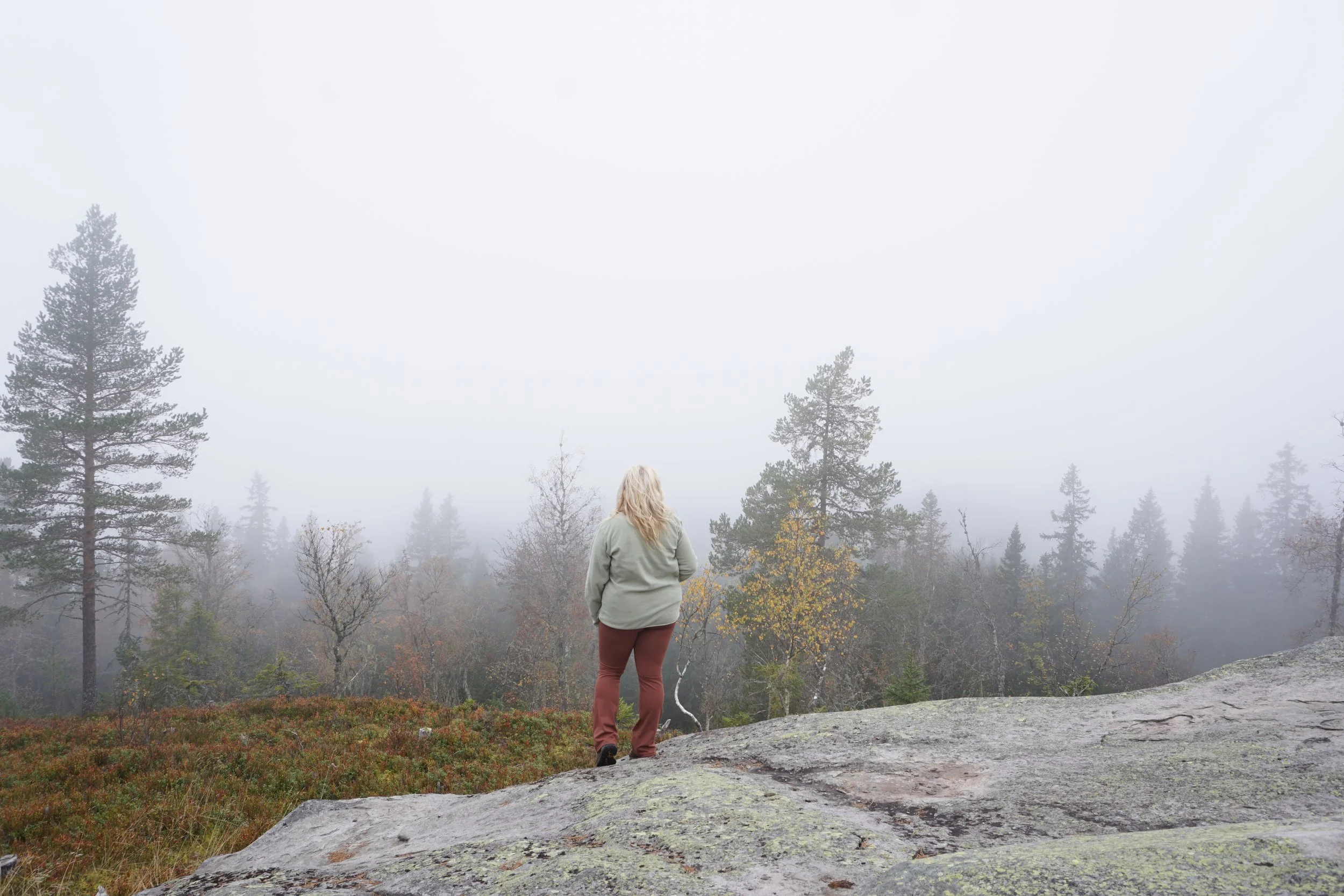
So, what now? A chapter is closing for me, but another is just beginning. And for the first time, I’m actually more excited than scared to find out what will happen in my story. It might be like 70/30 excited and scared, but that’s fine! I’m practicing acceptance, and that includes accepting the fear I’m feeling.
That’s all this is. Practice. So that when you need to be ready, you will be.

I left, but part of me is still stuck there
Hello, friend ♡
I haven’t been writing much lately, which isn’t like me at all. The thoughts have been swirling, as they always do, but it’s been difficult to get anything out.
Things have also been very busy. Between my partner getting a head injury from falling off his bike (which I talked about in a recent Instagram post), and managing a family visit, it’s been a lot. I’m just starting to feel like myself again since getting off medication too (I was on wellbutrin for 3 years but quit this spring due to side effects).
Hopefully things are calming down soon because I’ve really been craving a slower pace to my days. Especially as we are going into autumn (the greatest time of year!!) which for me is the ultimate season of peace, calm and enjoyment. I plan to be present and enjoy each day, so you better not sabotage me this year, brain!
I just started therapy again after a three month break for summer, and it feels hard, but good. Over the summer, I realized that a specific part of my past still affects me more than I wanted to admit.
Because I already worked on it so much and had several rounds of EMDR for it, and wanted to believe that I was done with that part of my life, it feels almost like a setback to acknowledge it. But part of me is still stuck “back there”.
…
Hello, friend ♡
I haven’t been writing much lately, which isn’t like me at all. The thoughts have been swirling, as they always do, but it’s been difficult to get anything out.
Things have also been very busy. Between my partner getting a head injury from falling off his bike (which I talked about in a recent Instagram post), and managing a family visit, it’s been a lot. I’m just starting to feel like myself again since getting off medication too (I was on wellbutrin for 3 years but quit this spring due to side effects).
Hopefully things are calming down soon because I’ve really been craving a slower pace to my days. Especially as we are going into autumn (the greatest time of year!!) which for me is the ultimate season of peace, calm and enjoyment. I plan to be present and enjoy each day, so you better not sabotage me this year, brain!

I just started therapy again after a three month break for summer, and it feels hard, but good. Over the summer, I realized that a specific part of my past still affects me more than I wanted to admit.
Because I already worked on it so much and had several rounds of EMDR for it, and wanted to believe that I was done with that part of my life, it feels almost like a setback to acknowledge it. But part of me is still stuck “back there”.
I tried to force myself into being done with it. But it isn’t done with me, and I think my only choice is to accept that.
This is something I’ve told very few people: I was in an abusive relationship before I met my current boyfriend. It started when I was in my early 20s and lasted five years.
When I say it like that, it sounds simple, neatly contained in time. Five years isn't that long. And it’s in the past - it’s been nearly ten years since I met my ex.
But living through it was a different story. It didn’t feel neatly contained at all. It felt three times as long. Its’ borders felt indefinable. It felt like being trapped. It felt like wading through tar. It felt like slowly drowning.
Getting out was possibly the hardest thing I’ve ever done. And being out didn’t fix what he broke.
Years afterwards, I’m still repairing myself. He reduced me to almost nothing, so that was my starting point when I tried to build myself back up into a person again.
It’s nearly unbelievable, isn’t it? How one person can blow through your life like a tornado, tearing down everything but the bare-bones foundations, leaving you on the ground, gasping for breath and wondering what the hell happened.

I’ve been having nightmares again recently where he plays the starring role. In these nightmares, he kidnaps me, holds me hostage, tries to kill me, but always in ways where I am kept alive as long as possible. It is never fast. My attempts at escape always fail - somehow he always finds me again.
Sometimes there are other girlfriends he does the same thing to. That’s usually the saddest part of these dreams; the other women who have no idea yet what they are in for. They are like confused sheep, being guided to their demise by him.
I know I wasn’t the only one. He was just being who he is - a tornado, and everyone who held the title of ‘girlfriend’ experienced it. (And there had been quiiite a few girlfriends before I came along).
But I think it was different with me in many ways. I was the only one to ever live with him. I stayed longer than the others. Tried harder, broke myself more.
I made it my mission to help him, and what I got in return was a lesson.
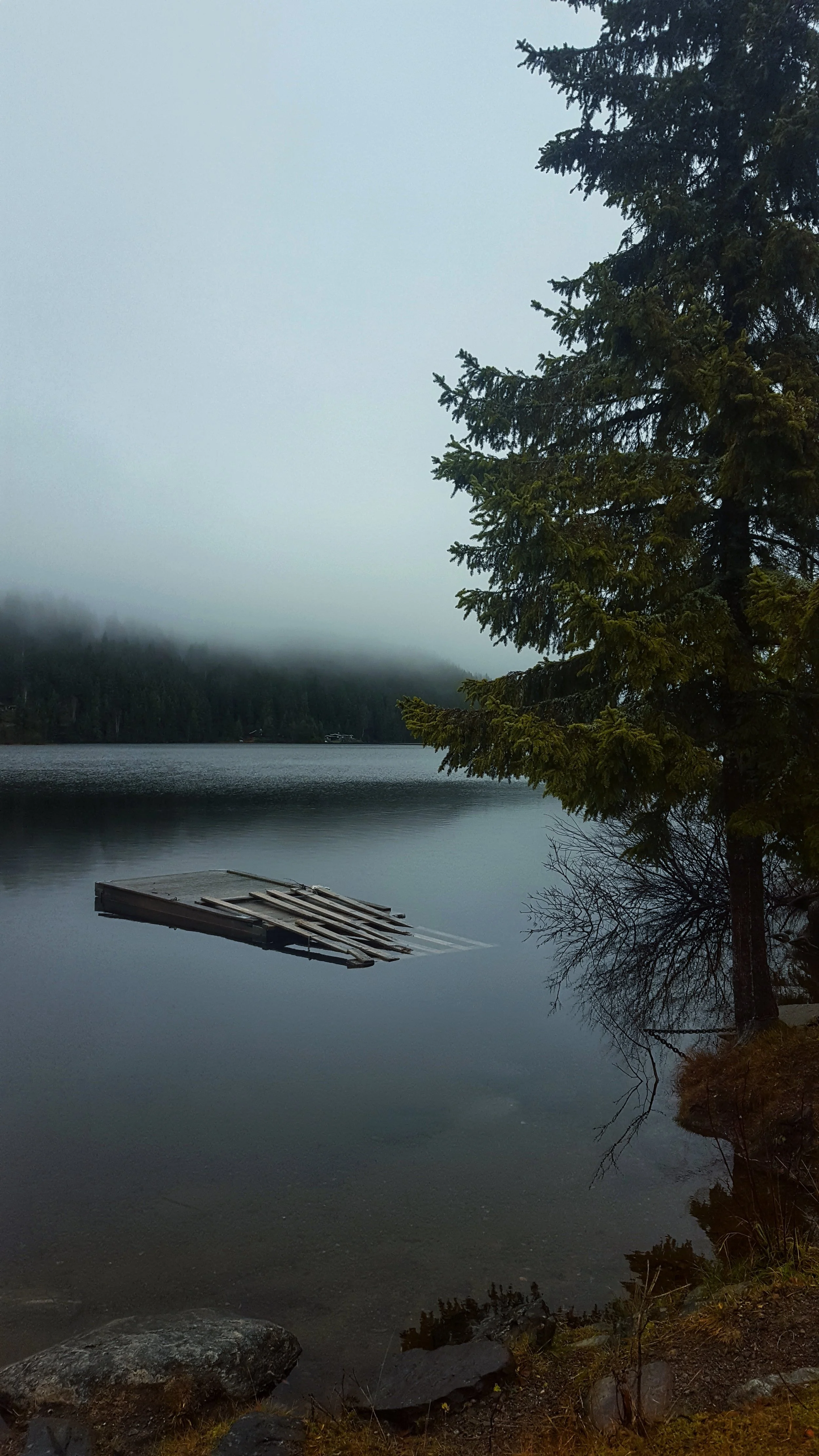
One time, less than six months into the relationship, I came across a Facebook message from one of his exes. At the time, I had the impression that he saw her as “the one who got away”. (Later, I think maybe I held that position.) In her message, she asked him firmly but respectfully to not contact her anymore. They had been together for only 8 months when it ended, and she said the relationship was not at all what she signed up for, and that she was absolutely not subjecting herself to that for a minute longer. I deeply admired her self-respect and firm boundaries, and for doing what was best for her - without giving him a thousand chances to break her first.
She had seen enough to tell what the future would be like if she stayed with him. And she was right to get out when she did. I feel so proud of this woman I have never even met, and thought of her often during the course of my relationship with him. I never mentioned any of this to him, he doesn’t know I saw that message. It was just something for me to hold on to, even if I didn’t know what to do with the information I had learned.
So, imagine me, maybe four or five months into this relationship, reading this message. I can see myself so clearly, sitting on his bed in his tiny student housing apartment outside of Lillestrøm, curiously glancing at his laptop screen, not being able to stop myself when I saw her name.
At this point, I was already caught in his web. I believed his ex - it’s not like I didn’t see the truth in what she was saying about him, but I still thought it would be different for us. That he would get better - not so, so much worse.

He had already raped me once. I didn’t understand that it was rape until years later, when both my therapist and current partner pointed out that if you say “no” about fifteen times and the sex still happens, then that’s rape. Hell, saying “no” once should be enough.
I logically knew that I never gave my consent in that situation, that I absolutely did not want the sex to happen in that moment, but I was more focused on the part where I tried and failed to get him to see my point of view, putting the responsibility on myself instead of on him.
It was basically my own fault that he wasn’t convinced by my “no”, because I probably didn’t explain my reasoning well enough, and even if I did, I guess he just didn’t think my reasons (“someone might come, we’re too close to people, I’m really uncomfortable, I really don’t want to do this”) were good enough. After all, his reasons (“but I want to”) won.

Besides the rape, there were other warning signs. Two or three weeks into us dating, I witnessed the first of what I would come to internally refer to as his ‘episodes’.
It would be like flipping a switch. He would turn into a different version of himself. Jekyll & Hyde. His eyes would go black - that’s how I knew, even before he had said a word. When he was in one of these episodes, I could not get through to him. Have you ever tried to talk to someone who’s black-out drunk? Because it feels like that. Like they are just too far gone to even hear you. They are simply in a different reality, and no matter what you say, you will not snap them out of it. The only thing to do is to wait until the storm passes.
Of course, there will be collateral damage, and it will be at your expense.
I have later understood that, like a natural disaster, it isn’t personal. It’s not happening because you are you, it’s happening because you are there.
He told me once, in a moment of calm and clarity, that he would have treated anyone else the same way. That it wasn’t me. But even after he told me that, even though it felt momentarily soothing to hear, my core beliefs about myself remained. The belief that it was possible for me to become ‘good enough’ to be treated well, simply because I deserved it by being a ‘good enough person’. So if I wasn’t being treated well, it’s at least partly my own fault for not being good enough to deserve better.
(Jesus. Writing this made me think it was only a matter of time before I ended up in a situation like that, with those beliefs about myself…)
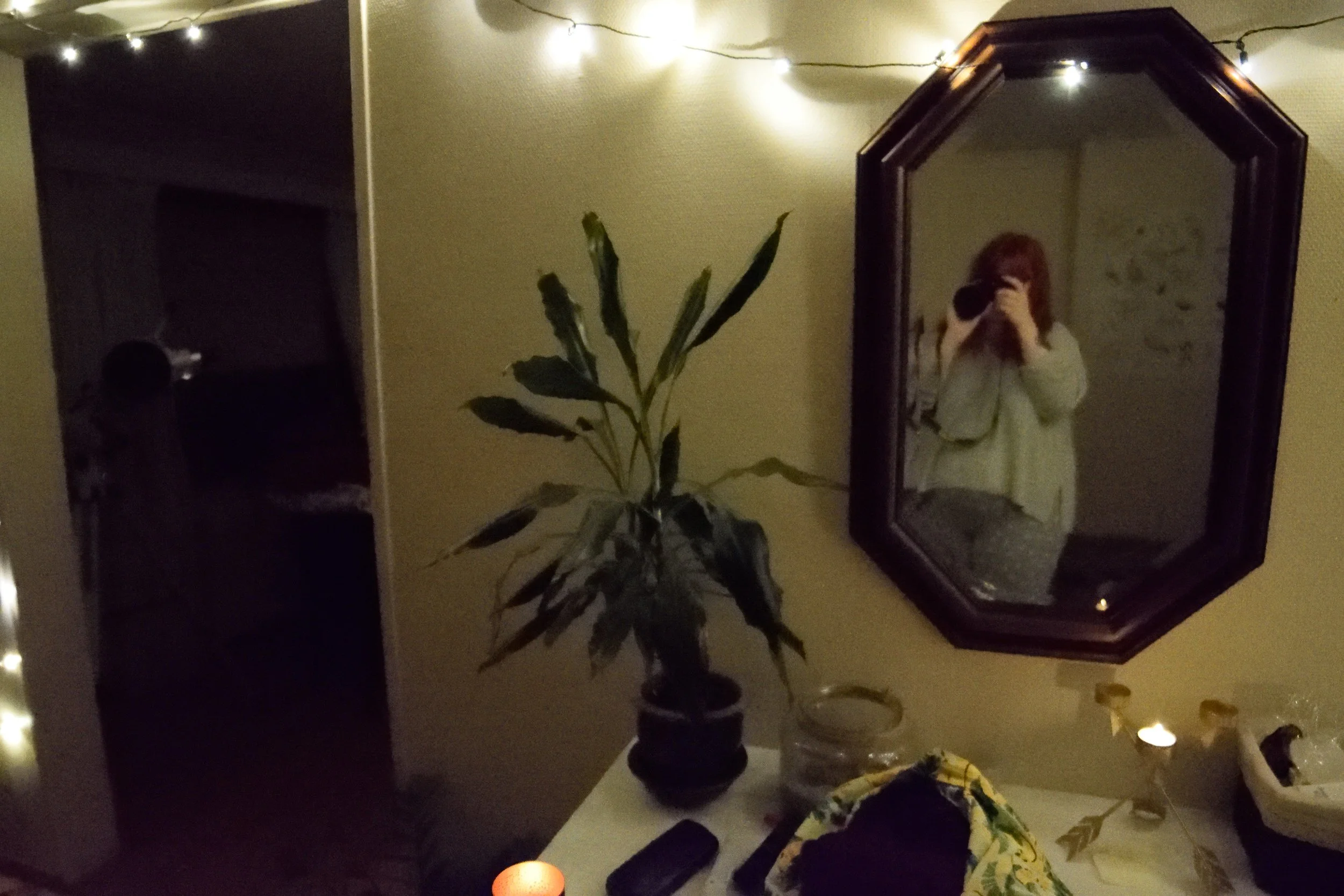
After the first ‘episode’, he told me that he has Borderline Personality Disorder. I knew very little about it, and tried to be as understanding as possible. A former close friend of mine had BPD too, and I loved her. So I knew she had some troubles because of it, but I was primed to give him the benefit of the doubt.
He focused mostly on how the condition was misunderstood, villainized. How they are sensitive and pure souls (that’s true for all of us at our core, isn’t it?) and it is this chronic misunderstanding by society and others that causes so much of their pain.
They carry around incredible amounts of emotional pain, and sometimes this pain gets triggered and cannot be contained, and it explodes out of them, or they implode with it. But if you are standing next to the person who explodes, you will find yourself embedded with shrapnel. Usually, the condition develops during teenage and stems from childhood trauma.
He gave me specific sources to read and told me not to google it or look up anything on my own, because then I would see an overwhelmingly negative representation of the disorder. I agreed, and didn’t look for more resources until years into the relationship, when he had me nearly convinced that I was the one with the personality disorder. Then again, when being freshly out of the relationship and finding the r/BPDlovedones subreddit, where we all seemed to have dated the same person.

Over that first summer together, I had a vague idea that something might be wrong in our relationship. But he was exceptionally talented at explaining everything away whenever I had a concern. And as he pointed out time and time again, he was the one with relationship experience. He was the authority, I didn’t know anything.
It was the first adult relationship I had ever been in. All my previous experience was in drama-filled teenage dating and hookups at parties. He was right that I didn’t have much real relationship experience. But I knew what I wanted, and that has remained the same to this day.
Safety and stability, that one person to spend my life with, have kids with, get married to. For me and this person to create a home together for our family, a place where all of us can always feel safe and comfortable. I have dreamt of this loving safety for decades. It is the fantasy that kept me going in my nights of lonely despair, both as a teenager longing to be saved, and as an adult trying not to give up on a brighter future.
Ironically, that’s exactly what I was looking for when I met him. What that relationship turned out to be was about as far from my vision of safe love as you could get.

Before him, I felt like I really liked who I was becoming. I was sure of what I wanted, at least in terms of relationships and family. I knew who I was, what I could give to someone.
After him … I was no longer a person. Didn’t feel human anymore. A barely alive creature, my formerly strong inner voice reduced to a whisper.
I left, but part of me is still trapped in that past. It’s up to me to get her out, to drag her into the present with me. Help her see that she has a choice, that she doesn’t have to stay there anymore.
The cage is open and she can walk out whenever she’s ready, and when she comes out, there is love and safety waiting here for her.

This was rough to write, but it also helped me process some things and remember some events I had forgotten. I have massive holes in my memory from the five years I spent with him - a great source of frustration that often makes me think “it can’t have been that bad if I don’t even remember”. But it’s coming back, in pieces.
I’m nowhere near done writing about this topic. My wish is to share my experiences so that people who have gone through similar things feel less alone. So that people who are wondering if what they experienced was abuse can get clarity. So that people who wonder why you can’t just leave an abusive relationship will understand (I used to be one of those people myself! it’s almost absurd to think about being on the other side of it now).
My logic is; if I had to go through this, it has to be good for something more than the quiet lessons I’ve learned. The thing that pains me the most about all of this is that other people have to experience these things too. That, I cannot accept. When it’s me, that’s fine. But another person? Not on my watch.
Really, though - I know I’m largely powerless to prevent anyone else from being trapped in a relationship that hurts them. But if my words can make one person feel seen, one person realize that the relationship they are in isn’t a healthy one and get themselves out before they become trapped, I would consider it all worth it.
Thank you for reading.
*context: all the pictures in this post were taken during the abusive relationship.

Everything I’ve done to heal from PTSD (so far)
Hello, friend! ✿
What follows is a list of everything I have done, changed or implemented, with the goal of healing Post Traumatic Stress Disorder.
Keep in mind that this has been a years-long journey. I say that I started actively healing in 2021, but that doesn’t mean nothing was done before then. It also doesn’t mean the healing process has been linear, or that I’ve been fully aware of the extent of my PTSD since 2021. Quite the opposite, actually.
…
Hello, friend! ✿
What follows is a list of everything I have done, changed or implemented, with the goal of healing Post Traumatic Stress Disorder.
Keep in mind that this has been a years-long journey. I say that I started actively healing in 2021, but that doesn’t mean nothing was done before then. It also doesn’t mean the healing process has been linear, or that I’ve been fully aware of the extent of my PTSD since 2021. Quite the opposite, actually.
This is not a simple disorder. There is both acute post traumatic stress, and complex post traumatic stress. The ‘complex’ part implies that the trauma was prolonged, a long-term situation that was traumatizing.
I’m still charting the borders of it in my own life, trying to find out how far it reaches. How far back in my memories can I see its’ shape? How much of who I am has been affected by it?
I don’t have all the answers. I’m still discovering areas of myself that I didn’t know were affected, and probably will for years to come.
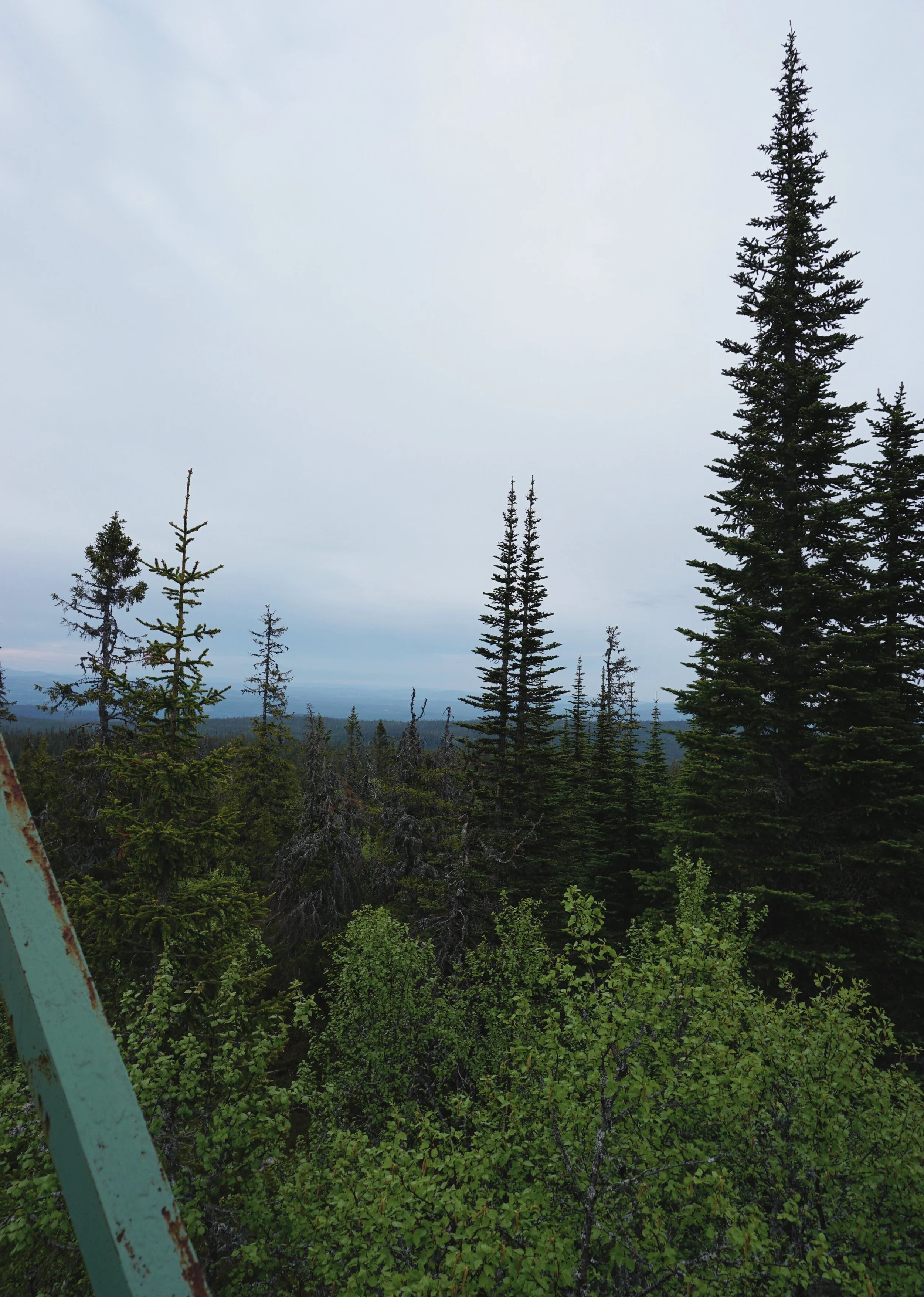
I like to imagine it as a forest in my mind. The trees are all separate, yes, but they touch each other, grow next to each other for so long that sometimes it’s hard to see where one branch ends and another begins. Although some tower far above the others, each tree is a part of the forest.
The trees are of course a metaphor for traumatic events. Some events are more significant than others, but they all contribute to this thing that becomes post traumatic stress.
When you have PTSD, your body and nervous system are stuck in trauma response - fight, flight, freeze or fawn (and it’s very possible for one person to experience a mix of the four, at any given time).
You are hyper-vigilant, on edge, never fully relaxed, because your body thinks you’re still under threat and therefore need to be ready to react at all times.
It’s exhausting, to put it mildly.
Staying in this state for months, years, decades - it takes a toll on you. It also changes you. We aren’t meant to continue being in this state after the threat has passed and we survived it. But the body is intelligent, and it learns. It has all these mechanisms to protect us and keep us safe from harm.
If x lead to y in the past, then the same will likely be true in the future. Solution: avoid x in order to avoid y. Right? But no, because life isn’t that simple.
If one person hurt you, that is no guarantee that the next person will also hurt you. In fact, we have to treat each new person who enters our lives as exactly that; a new person. This is not the same person who hurt you before, and it wouldn’t be logical to treat them as such. But the body is not always logical. And to add to the problem, this new person might also hurt you. It’s a possibility. So what is the solution, then? Avoid all people, old and new? (brain says yes! therapist says no.)
The solution is this: we learn to accept the risk that comes with each new person you let into your life, and with each “old” person you give another chance to.
We learn to trust ourselves, our discernment and gut feelings about others (but our discernment might need to be re-calibrated before we can really trust it). It’s a process, and not an easy one.
The goal of healing is to get your mind and body unstuck - too deeply understand that we are not there anymore, that we are in the present. The threat that still haunts our bodies have long since passed and it is not necessary to continue living as if we are right in the middle of it.
Of course, it’s not enough to simply understand these things logically. You can tell yourself that you’re safe now all you want, but if your body is stuck in trauma (or, if you prefer: you have trauma stuck in your body), you need other methods of communication that your body understands.
We need to re-create the security we had within ourselves pre-trauma, or create it from scratch if no such security ever existed within us.
Put simply, we need to rebuild.

The saying “time heals all wounds” is not very accurate when it comes to things like PTSD. Emotional hurt is one thing, trauma is another. With trauma, healing usually takes more direct effort than simply waiting.
It’s like being stuck in a hole - we need to first make ourselves a ladder, a way to get out, and then we need to climb the steps and haul ourselves out of there.
Giving it time won’t change much, except maybe getting used to the situation. We are remarkable creatures in that we can get used to almost anything. Almost anything can be our “normal”.
But it’s not necessary to live stuck in a trauma response. It is possible to make ourselves a ladder and get out, to keep on living.
⋆。 ゚☾ ゚。⋆
⊹ The first thing I remember doing was learning emotional regulation skills. I had never even heard the term, didn’t know what it meant. I can’t remember how I came across it, only that I did - and it made me realize that these were not skills I possessed.
When you have PTSD - the unregulated, unhealed version of it - your emotions are often right under the surface at all times. When something sets you off, you react very easily, and very strongly. Crying, yelling, leaving suddenly - having reactions that to others seem out of proportion (but to you, they feel very appropriate in the circumstances). You could have a very low tolerance for cutting people off. Minor disturbances or unpredictable situations could be met with intense anxiety that sometimes manifests as anger, such as verbally attacking someone who showed up at your house unannounced - or even hiding from them. I’ve personally done both, on more than one occasion.
It might seem ridiculous, but not everyone has the ability to respond differently. You don’t have the skills you were never taught, skills you didn’t even realize existed. That’s not your fault and it wasn’t your responsibility when you were younger.
But as an adult, you do have a responsibility to at least try to identify the areas that could use some work, both for yourself and for the people around you. To stop the pain from festering and spreading any more than necessary.
If you have PTSD and you don’t possess emotional regulation skills, that’s a recipe for bad situations. But having the skills is only part of the battle - we need to become less dysregulated to begin with, so that our baseline reactivity is lower. This way, we can tolerate more before our emotional responses start getting out of control.
I try not to use words like ‘control’ when talking about emotions, because the goal is not to control or repress your feelings.
The goal is to be a secure, well-regulated person who can handle the regular everyday situations of life, and be generally happy with the way you handle them.
No one likes feeling out of control. No one likes feeling unable to handle their own emotions and how those emotions come out. So the goal is having healthy coping skills and confidence in yourself to be able to use them.

If you drive, do you remember when you first started learning? How it felt like the car was driving you, not the other way around? It was like you were just on a ride that you had little to no control over. We can think of our emotions the same way. As a dysregulated person without emotional regulation skills, the car is driving you. The goal is for you to be the driver in control of steering the car, and stopping when you want to.
We want to be able to manage our emotions, instead of being managed by them.
So how do we do this? This is a whole blog post of its’ own, and I promise I’ll come back to it in more detail in the future. But I will try to summarize: when something happens that causes a strong emotional reaction in us, we want to respond, not react. Reacting happens on instinct, and with PTSD, this instinct becomes intensified. Your brain and body means well, it’s just trying to keep you safe.
But letting your dysregulated self take the wheel in these situations does more harm than good.
Even though giving in to your instincts may feel right in the moment, we are not in control.
When we slow down and take a moment to process what is happening, and what our response to the situation is, that is a way to take back control rather than giving in to our dyregulated instincts.
When you have PTSD, it often feels like there is no time to do that. There is an almost unbearable urgency within us to react immediately, and going against that feels wrong. But it isn’t, and we need to remember that.
Taking this pause before responding is not about pushing your strong feelings down, or forcing yourself to feel differently than you do. It’s about respecting ourselves enough to properly check in with ourselves about how we feel, and expressing those feelings in a way we can stand behind, even when the upset has passed.
It’s about staying true to ourselves - who we are and who we want to be.
This leads to many positive outcomes; we stay in control, we stay true to ourselves, we can be satisfied with how we handled the situation and be proud of ourselves for it, we haven’t unnecessarily hurt another person, we haven’t done or said anything we’re ashamed of afterwards, we haven’t burned any bridges or destroyed material things.
This feeling you get from handling situations that provoke strong emotions well, stacks. It builds confidence in yourself because it shows you that you are capable. And over time, with the help of emotional regulation skills, as well as other strategies mentioned in this post, we train our brains to become less reactive, more self-assured.
Even if a situation feels out of control, we are in control of ourselves, and that’s a good place to start.
It’s also a good practice to check in with yourself after the strong emotions have passed, and ask yourself “Am I happy with how I handled that? Why or why not? What was it that triggered me? Do I wish I had done anything differently?”.
Try to use it as a learning experience. Be a scientist studying yourself. If something didn’t go so well, then we try again next time. It’s okay to be a work in progress. All of this gets easier with practice.
⋆。 ゚☾ ゚。⋆
⊹ Implementing daily nervous system regulation exercises. If I could only mention one thing, only give one piece of advice, it would be this. Doing nervous system regulation exercises is the most impactful thing I’ve done, apart from EMDR therapy. It’s also both the easiest and cheapest thing I’ve done, because it can be done from the couch and it’s free!
I plan to make a video demonstrating some of the exercises I do, but in the meantime, there are many resources to be found online or in books.
I’ll explain a few of them to you right now. Try, if you’d like.
Sit or stand with your back straight. Without moving your head, look as far as you can to the left, as if you’re trying to see something in the corner of your eye. You should feel a gentle stretch in your eyes. Hold for 10-30 seconds. Then look all the way to the right, and hold that for a bit again.
That’s it, you’re done.
Here’s another one:
Put your arms in the shape of an X against your body - right hand touching left shoulder, left hand touching right shoulder. Stroke your own arms, moving downwards from shoulder to elbow, and when you reach the elbow, go up to the shoulders and start again. Do this for 30 seconds (or longer if you’d like).
You can also, while in the same pose, tap your arms with your hands, alternating sides. So start in that x position, slide your hands about halfway down your upper arms, and then tap your left arm, then your right arm, back and forth for a while.
How do you know if it “worked”?
Yawning is a good sign. Feeling more relaxed and present in your body/the moment is a good sign. But, this is the kind of thing that works even if you don’t feel any different initially. That is true for a lot of the methods we use to heal from trauma. These are techniques that you can’t try once before declaring that it doesn’t work for you, you need to give it time to actually do its’ job.
My body had been stuck in trauma for so many years, it wasn’t realistic to think that I could get out of it in a short amount of time. That was something I knew from the beginning.
When I first started doing these daily exercises, it took at least a few weeks, maybe even a month, before I noticed anything. I never yawned, never felt calmer, nothing. But I had a routine that took about 3 minutes, and I would do it 1-3 times a day, every day.
Over time I noticed the really big effects, that from only implementing this one thing into my life, I was feeling so much more regulated and secure. After ten months, I had made more progress just from this one thing, than from everything else I had done up until that point combined.
Here’s another exercise to try:
Have you ever seen an animal after they’ve been in a chase? They shake their limbs and their whole bodies, like they’re shaking something off. This works for humans too! You’re basically shaking off the stress, and returning to a state of rest. It tells our bodies that we’re not being chased anymore and there’s no need to stay on high alert.
Remember to allow whatever feelings may come up during these exercises. Try not to create a story to go along with them - the “why” isn’t always important. It’s okay to cry without trying to analyze why you’re crying.
⋆。 ゚☾ ゚。⋆
⊹ Reconnecting with my body through touch, movement and sensory experiences. There are several contributing factors to why I got disconnected from my body in the first place.
Trauma that affects the body directly, such as rape, is naturally going to make you feel disconnected from it (this is a self-protective mechanism). You can also start to feel like your body isn’t your own, because it was taken from you in this way.
(Side note: I choose to use the word ‘rape’. This is done intentionally, because terms like ‘SA’ or ‘sexual assault’ softens it, hides it in a way, making it easier to stomach. But these things should not be easy to stomach. By calling something what it is, we give it the importance it deserves. I am sorry if reading this word is difficult for you. But I will continue to do what feels right to me.)
Being autistic is another factor, because the body is where the sensory things are. Being too aware of your body can be really, really uncomfortable, and it can be easier to just disconnect and live mostly inside your head.
But when we live like this, we miss important messages from our bodies, such as not being able to tell when we’re sick or in pain until it gets really bad.
We also miss the good feelings that our bodies can bring us.
For years, I thought I was happy living in my head. I would joke about wanting to be a brain in a jar, or a computer. But now that I embody myself more fully, I can see that I had closed myself off to so much of life by living this way.
I also didn’t understand until recent years that a large part of why I felt so uncomfortable when I tried to be more aware and in my body, was because of trauma. Trauma and PTSD can absolutely manifest as physical symptoms that often feel vague and unexplainable.
So, that in combination with “this is just what my normal is” because you’re so used to living like that = “my body is just an uncomfortable place to be”.
Learning to listen to and respect the needs of your body is important. Your body is like an old friend who has always been there for you, but maybe you’ve grown apart and need to reconnect.
Listen to what your body has experienced in your time apart. Respect its’ needs and wishes.
Doing so can heal more than this disconnection, it can help heal the part of you that needed more care from others in the past. The part that needed to be listened to, hugged, fed, comforted. You now have the power to give that to yourself, both physically and emotionally.

Dipping your feet in a freezing mountain river can be very grounding.
Here are some things you can do to reconnect with your body:
humming (the vibrations stimulate the vagus nerve and is good for nervous system regulation too)
dancing (especially the kind where you’re just letting your body move how it wants to)
gentle stretches or yoga
hugging yourself, touching yourself with kindness
check-ins during the day to see how you feel physically (am I thirsty? are my shoulders tight? am I comfortable?)
breathing exercises, or just breathing deeply (breathe “with the stomach”)
exercise is also a great tool for healing and reconnecting with the body. Certain kinds of exercise (like aerobic and strength training) often make me cry. I see it as a good and useful thing, knowing that this type of movement unlocks something and is an outlet for these emotions that are stored in me. Other kinds of exercise (like walking), I see more as a tool for processing emotions (often subconsciously) and general well-being.
I would also like to talk about massage for a moment. A couple years ago I started massaging my face a few times a week, and it lead to an interesting discovery. I grind my teeth at night and thought maybe massaging the facial muscles could help, or at least relieve some tension. I watched some tutorials, but came up with my own routine based on what felt right for me.
My technique would be to use my knuckles and different parts of my hands to massage, and when I found a sore spot, I would stay there until the pain let go, which would usually take around 30 seconds. So I would count the seconds and breathe my way through the physical pain, reminding myself that it will dissipate soon.
At first, it physically hurt so much that I could barely stand it. I was just touching my face, there was no logical reason why it should hurt so much. But it did, and it felt like there was more than physical pain there.
When I was massaging my face, especially in the beginning, I often cried. It felt confusing because I had no “reason” to cry, and I wasn’t exactly crying from the physical pain either.
Something was being brought to the surface, something that had been buried for a long time.
Sometimes I could vaguely tell what it was, when the pain was coming from. Like, “this pain is a memory of this time when I felt so rejected by my father”. No matter what it was, even if it had no memory attached to it, only the hurt feeling, I would accept it.
Of course I felt silly at first, crying over “nothing”, but I instinctively knew this release was a good thing.
As a concept, this is something that would have seemed completely ridiculous and pseudo-scientific to me four years ago. But now that I have experienced it for myself, and read the accounts of other people who have also experienced it, not to mention the scientific literature, it doesn’t seem so far fetched anymore. It seems perfectly reasonable that trauma and repressed feelings can affect us in this way.
Maybe there were times when it wasn’t safe to process those feelings, or to express them, so they got stored deep inside instead. Maybe you didn’t know how to deal with them at all. Maybe you were in survival mode, and processing those feelings “the right way” just wasn’t an option - it gets subconsciously put off for later, for a time when it is safe.
I still massage my face, but rarely cry anymore when I do. For the most part, it feels like what needed to be released has been released, and now it’s more about maintenance and prevention. My focus has been mostly on the face, neck, chest and shoulders, but I plan to incorporate the rest of the body too, and it will be interesting to see what comes up when I do. Maybe I’ll massage my calf and burst into tears. Who knows.
For years, I was carrying so much pain in my body. Tight, sore muscles. Knots. Trauma and emotional pain, stored as physical pain, trapped with nowhere to go.
This is why the techniques that release this built-up pain are so important for healing.
It unburdens us, makes us free to comfortably inhabit our bodies and be more aware of its’ signals. It helps us to reconnect with ourselves, without this veil of hurt in between.
⋆。 ゚☾ ゚。⋆
⊹ Feeling my feelings. When an uncomfortable feeling comes up, what do you do? Ignore it and move on with whatever you were doing? Distract yourself with tv, food, drugs, gaming, sex, shopping, the presence of other people?
If we have never been taught how to feel and process our feelings, they can seem frightening. Too big, out of control. Many people have a fear of their feelings overwhelming them if they try to feel them, or let them out.
But it’s not so scary or overwhelming if you know how to handle them, and what to expect.
See, most feelings don’t last very long, and this can be a very helpful fact to remember when we are in the throes of a turbulent one.
What about repressed emotions, how do you know if you have them? Well, do you feel as if you’re carrying a heavy burden? Do you have unexplained physical pain, as mentioned in the previous point? Do you sometimes have emotional reactions that don’t make sense to you?
Has your laughter ever turned to crying? Not crying from laughter, but an actual shift into sadness? What about suddenly having an urge to cry when you’re singing?
I’ve experienced both many times, and it was so perplexing that I had to do some research to figure out why this was happening.
The answer I came to was that it was due to repressed emotions finally making their way to the surface after all this time. My intelligent body, seeing an opportunity for release. Maybe it’s the vibrations of laughter or song doing it, or maybe it’s the specific frequencies of sound my body is producing, maybe it’s some other aspect of it. I’m not sure, but as interesting as it may be to figure out, we don’t need to know why something works in order to accept that it does.
The best thing we can do to help ourselves is to allow this release to happen, to try not to repress those feelings again.
When something would come to the surface in this way, it was my instinct to push it down. I would think “this is no time to be crying, there is no reason to cry now”. After all, I had just been laughing because of something funny, or singing, often highly immersed, not thinking about anything sad at all.
I internally reprimanded myself for not having the “correct” displays of emotion, even when I was alone and no one could see me. I tried to correct my own behaviour so that this wouldn’t happen in front of other people. Sometimes it still did, but I hid it every time, quickly wiped my tears or played it off. Sometimes I bit my tongue hard to force myself not to cry.
The problem is, I was too focused on whether or not I had a good enough reason to be crying in that moment. And more often than not, the answer I gave myself was no.
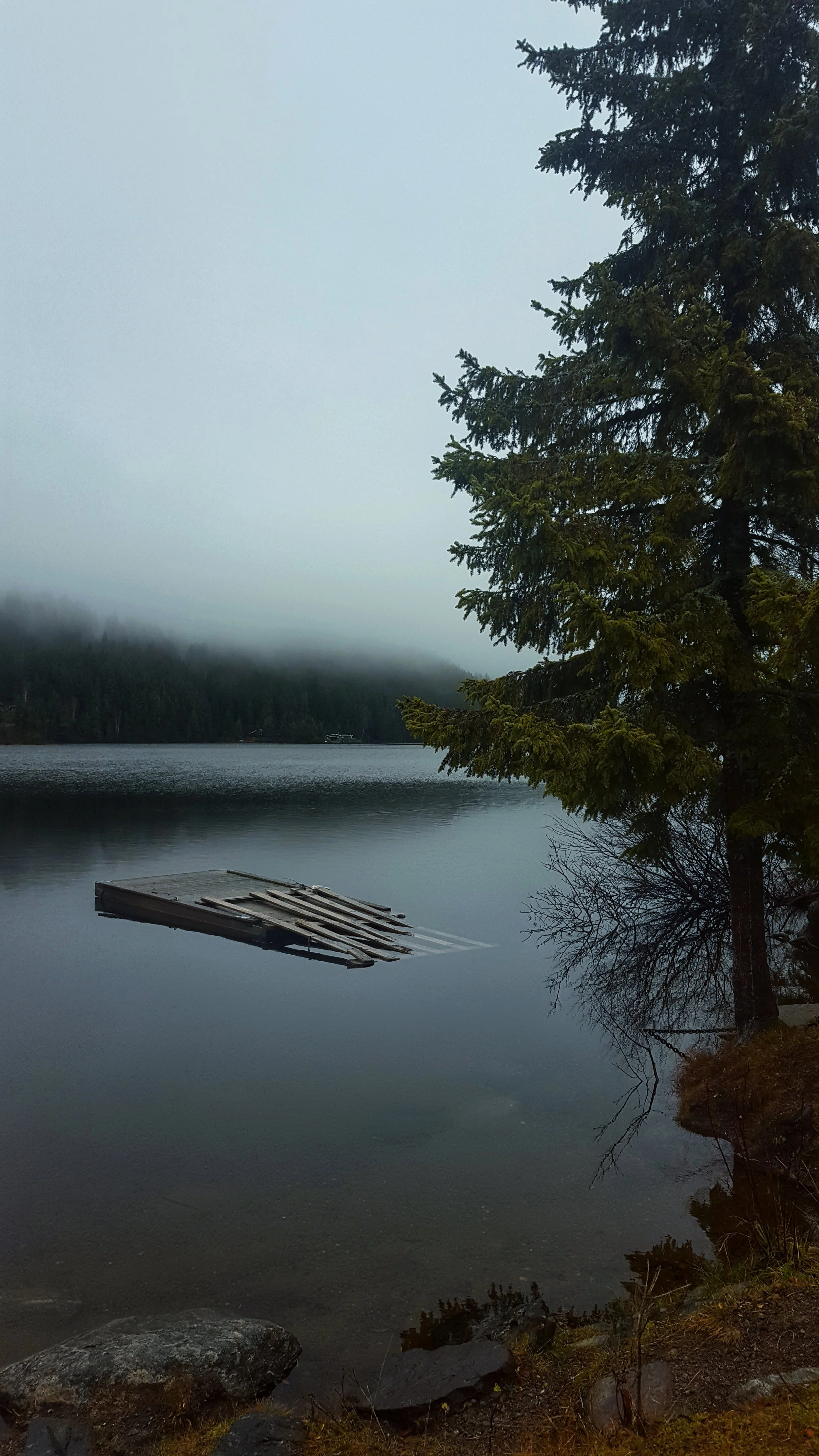
I’ve mentioned the ‘story’ before, but let me clarify what it means.
Most of us want to make sense of our feelings. We crave answers, patterns, predictability - a logic to how our minds work. (And there is logic to it, but sometimes not in the way we expect.)
If we start to cry, seemingly out of nowhere, our first response is often to create a story to go around it.
“I’m crying because I’m overwhelmed because I have all these tasks to do and it’s too much…” or, “there has been a lot of stressful situations lately, it makes sense that I would be crying”.
Or, a less helpful version; “I have no reason to cry, I just need to pull myself together, I’m being ridiculous”.
When a feeling arises, we often judge how “okay” it is for us to be feeling it in that moment. How much of a “right” we have to be feeling it.
There are several reasons, beyond simply wanting our minds to make sense to us, for why we do this. Social conditioning, such as feeling pressure to behave appropriately in the eyes of society, is a big one. What our family and peers expect of us (or at least what we think they expect of us). Wanting to be seen as good, acceptable, normal. A fear of being seen as unstable, too weird, childish.
Many of us were conditioned to think and act this way based on how our parents and other adults in our lives responded to us when we were growing up.
Most parents these days have a more well-balanced approach to their children’s emotional expressions, but it’s only a few decades since it was perfectly acceptable to reprimand your crying child because they have “nothing to be crying about”. “You have no reason to be upset, so stop it!”.
Sound familiar? If it does, I’m sorry, and you’re not alone.
When this is the pattern of your formative years, of course you would grow up to be someone who judges themselves (and perhaps others) in this way too. It isn’t your fault that you do this, you were unknowingly trained to. But it’s important to remember that this is not, and never was, a healthy strategy for dealing with feelings, no matter if they belong to you or someone else.
You might have a belief that judging our feelings in this way is correct, and that anything else is a delusion, a way of lying to ourselves to avoid facing reality. But that’s the training talking - those thoughts are very unlikely to be your own true opinion on the matter.
The truth is, if you are feeling something, then you have a reason to be feeling it. It’s never for “no reason” - not when you were 6, and not now. Some of the most impactful healing work we can do, lies in allowing our feelings to be felt.

How to feel a feeling:
“What am I feeling?” Identify roughly what you are feeling. How specific you want to be in naming the feeling is up to you. It can be as simple as ‘sad’ or as complex as ‘alienated’ (you can look at a feelings chart online if you need to - it can be helpful if you’re struggling to put your finger on what it is you’re feeling).
Note that there is no why here, simply what.
“Where am I feeling it in my body?” Is your chest tight? Is there a coldness anywhere, like an icicle plunged through you? Does it feel like your stomach is doing backflips? Are your limbs heavy? Do your fists want to clench? Is there restlessness somewhere in your body?
“How big is the feeling?” How intensely are you feeling it? Is it huge, all-encompassing? Are you burning with it? Is it swallowing you? Or is it small, quiet, almost like it’s afraid to come out or be seen? Is the feeling like a loud yell, or a quiet whimper?
“Sit with it”. This is often the most daunting part, the part we want to avoid when the feeling is unpleasant - but often you will find that it was surprisingly easy when it’s over. Usually, it only takes about 30 seconds or a minute for the feeling to dissipate, and we are capable of enduring an unpleasant feeling at that dosage.
Try to focus on the physical feeling in your body. Let it be, don’t try to push it away or to be done with it. Just let it be, and see if you can feel around the contours of it.
This gets easier with practice, so don’t feel bad if you don’t “get it” or don’t think you’re doing it right the first few times. Just keep trying.
For example, when I feel rejected, my chest aches. I sit with this ache, not forcing myself to do anything, but instead gently redirecting my focus back to the feeling, if it strays. Sometimes I cry while feeling the pain of the aching, and I do so without judgment. Without coming up with any story, any reasons or narrative.
It doesn’t matter if the narrative is true or not, because it’s not necessary.
“Listen.” Be open to what the feeling is telling you. This is not the same as creating a story, because we aren’t doing any brainstorming or logical evaluations of why we might be feeling something. If we continue from my example of feeling rejected, the point is to listen to the rejected part of you.
What is she saying?
Usually, it only takes about 30 seconds for the feeling to dissipate, and at that point I do another little check-in with myself to see if I’m okay now.
(These steps can be moved around, according to what works for you. You don’t have to follow all the advice given, hold on to what is helpful for you and let go of the rest.)
It might sound simple, and it actually is pretty simple. But that doesn’t always make it easy. Sometimes we are dealing with feelings that keep returning, maybe many times a day, and we have to repeat the process.
Something like grief is of course also more complex and requires more time, we can’t expect it to be a one-time process.
The most important point here is that oftentimes we think that our strong emotions that seem to suddenly take over us, will be the most difficult to process - but this is not necessarily true.
The emotion just needs to be felt, and heard, and then you will often find that it will leave you in peace.
The ideal would be to feel our feelings as they arise, as well as allowing our repressed/unprocessed emotions to come up whenever they naturally do.
That being said, please forgive yourself if you aren’t able to do this exactly how you wish to every time.
We cannot expect ourselves to do something perfectly every time, just because we know the steps to take.
We should be mindful of perfection traps in healing - healing is not supposed to be just another thing to excel at through discipline and rigorous regimens. If we notice ourselves becoming extremely disappointed by setbacks, small “failures” or fluctuations, this is a sign to slow down a bit, loosen the reins and give ourselves permission to be a person.
You are just a person. It’s okay to not always reach the goals you set for yourself - that is not the same as failure. Just try again next time.
⋆。 ゚☾ ゚。⋆
⊹ EMDR therapy. This is such a weird and seemingly “unlikely to do anything” type of therapy, but I’ve had amazing success with it, and so have many others. If you have the financial means and can find a practitioner, it’s worth a try.
EMDR stands for Eye Movement Desensitization and Reprocessing. During treatment, it’s like you are in a regular talk therapy session, but your therapist will also implement the EMDR technique.
There are a few different ways to do this - some use a projector with blinking lights, some use audio, some use their fingers as a target for the patient to focus on.
No matter the technique, the point is bilateral stimulation (stimulation that works on both sides of the body/brain, either alternating or simultaneously), while the patient talks about the trauma and focuses on the sensations that come up in the body.
Pain, anger, sadness, fear - and the thoughts that accompany them. The therapist guides you as you work yourself through the experience, and the whole thing feels very safe and structured, even though it’s difficult emotional work you’re doing.

On the way home from an EMDR session. I usually pull over to cry at least twice.
EMDR feels like having your brain scrambled. At first, in the days and weeks afterwards, there's all these loose pieces floating around - everything's shaken up and it's chaos.
Then the pieces start falling into place, but in different places than they used to be. Like your mind is a puzzle, and it's beginning to resemble the picture on the box a bit more. And you feel different, you've been changed, but into a truer version of yourself.
In shedding the trauma, there is room for your soul to stretch out and take up the space that was yours to take up all along.

It’s the hardest therapy I’ve ever done, but it’s also the most rewarding. I’ve been doing EMDR regularly for less than a year and I’m not finished yet. But so far, the experience has been very healing.
It has helped me reconnect with my past selves, the versions of me that went through different traumas - it’s like I built a bridge to them, and there is no longer a hard separation between us.
I no longer feel disconnected and critical of her. Instead, I’m by her side in our memories, just as she is by my side here in the present.
⋆。 ゚☾ ゚。⋆
⊹ Working on releasing the guilt and shame I have been carrying around with me for years. This is some of the most healing work we can do, but it requires much confidence and self-respect. It requires us to truly believe that we deserve better, that the things that happened to us were not our fault.
People who have been through trauma often blame themselves. We think about what we could have done differently, we justify what was done to us, how it was our responsibility and our fault. This is true whether the trauma comes from a traffic accident or domestic abuse.
The difference is that with something like an accident, you might obsess over what you wish you did differently, but with complex trauma from something like an abusive upbringing or relationship, it changes your brain in a way that deeply affects your sense of self.
You tend to think that you deserved what happened to you, in some way. “Well, I wasn’t easy to deal with, so…”
We also tend to take on the shame of what someone did to us, as if we are the person who did it. (Or at least, as if we caused it to happen.)
We carry shame that isn’t ours to carry.
It’s not our shame! It’s someone else’s! How crazy and unfair is it that we walk around for years, maybe decades, carrying this shame that was never ours to bear?

A person who isn’t responsible for what happened to her.
So, how do we let go of the guilt and shame? I’m still a work in progress myself, and I don’t have all the answers. Even with the knowledge I do have, this is something I’m still working through most days.
Kindness helps, both towards yourself and others.
EMDR has helped a lot, because it redirected the painful feelings away from me and towards the event itself.
It also helped me realize that the things that happened to me wasn’t my fault, and that the people who hurt me did so because of their own issues that actually have very little to do with me - it takes away the personal aspect to it, the belief that this happened because I am me, and if I had been better, it would not have happened.
⋆。 ゚☾ ゚。⋆
⊹ Using my free will in order to communicate to my body that I’m not trapped. That I have autonomy and can do as I please. For example: drive to the coast, just because you feel like it (spontaneous roadtrips are so good for healing and I will stand by this!).
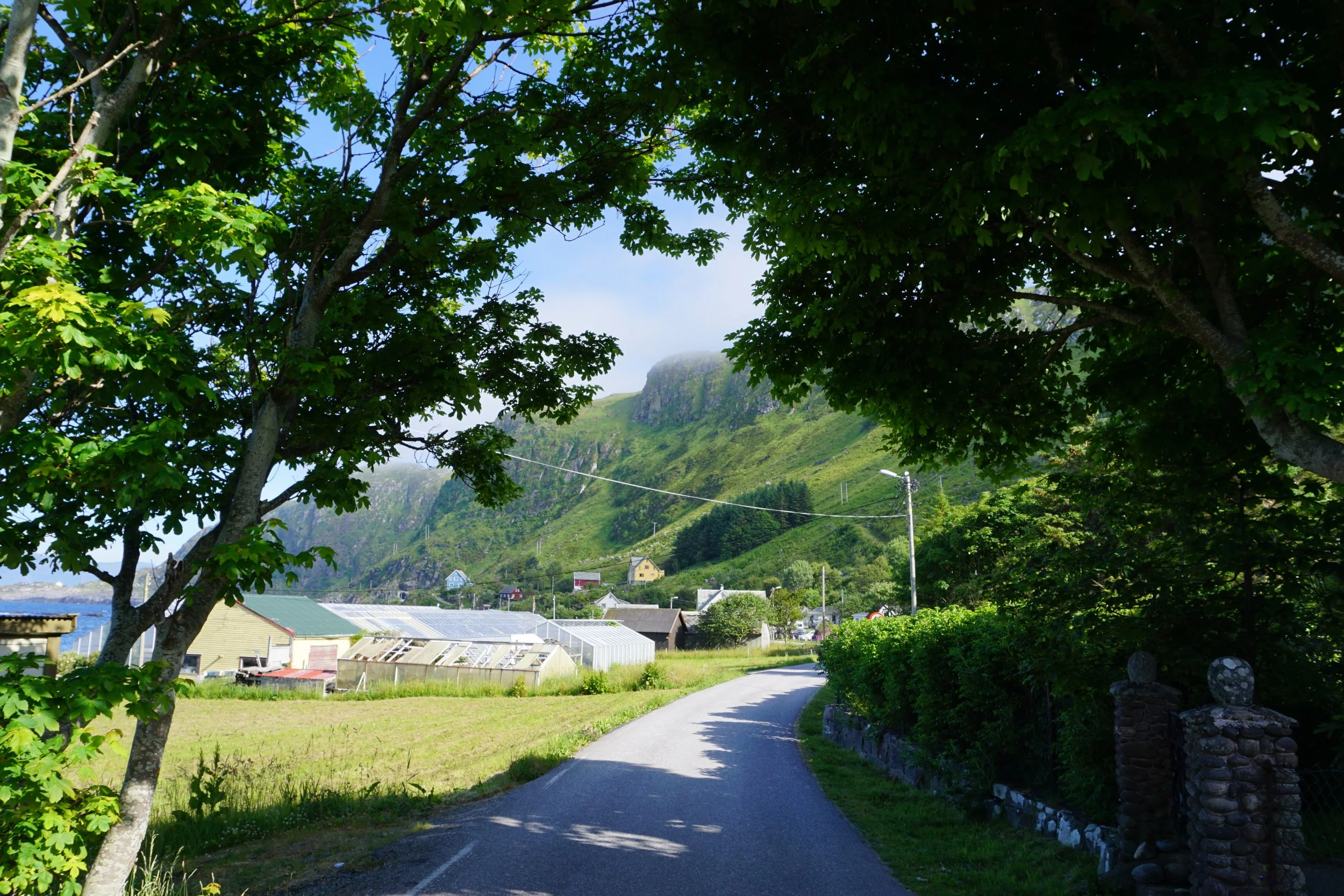
On the island Runde.
Get something pierced, or dye your hair. Go sit outside for a while. Lay down on the ground, no one can stop you. Even better if it’s raining! Go on a hike in the middle of the night and watch the sun rise.
Do little things that you want to do, just because you want to do them.
It’s not harming anyone, it’s a healthy use of free will, and a good reminder that you have autonomy.
⋆。 ゚☾ ゚。⋆
⊹ Intentionally slowing down. This is one I still struggle a lot with, but it’s also one of the most healing things. A common symptom of PTSD is feeling like you’re always rushing or running out of time.
But purposefully doing things slowly, like drinking your morning coffee and really paying attention to it, is a good antidote. Or when you’re making dinner, planting something in your garden, doing your skincare routine, showering - intentionally slow down and put your love and attention into each step.
When you’re on a hike, take a moment to just stop and look around. Maybe try to identify some plants. Take longer than you planned. Dilly-dally, on purpose. No one will be mad at you. And if they are, that’s their problem. It’s okay.
When we slow down, we communicate to our bodies that we are safe.
Baking can be very therapeutic.
Slowing down with purpose can also be very healing for people who have been rushed a lot by others, or had unpredictable people around you that made you be “on guard” all the time.
One of my people-pleasing traits is to take as little time as possible to do something, so that I’m not inconveniencing others. I’m always trying to avoid doing anything that can be criticized. But in doing this, I’m hurting myself because I constantly feel like I have to be fast, and then I feel like a failure and an inconvenience every time I take longer than planned to do something (which happens a lot!).
Instead, I’m training my brain to be okay with slowing down more. I practice doing things calmly instead of rushing, and I show myself that there is no negative consequence to doing this - no one will be mad at me, and if they are, I can handle it.
I am an adult and I can speak up for myself. I can choose not to tolerate certain behaviour from others. I can choose who to surround myself with. This is something I can control.
⋆。 ゚☾ ゚。⋆
⊹ Spending time in nature. This is one of the most important things, but I don’t even know how to talk about it. At this point, I feel so deeply entwined with it that I don’t know where nature ends and I begin. It is a part of me, and I am a part of it. That’s true for all of us, but sometimes we forget and need help remembering again.
What I will say is this:
Connect with nature in any way that feels good and right for you. Don’t worry about what you “should” be doing. Driving somewhere nice, getting out of the car, going into the woods and sitting on a rock for five minutes before going home again, is a perfectly fine thing to do.
As is camping out on a mountaintop, if that’s what you want to do.

Rainy day drive to look at some nice trees.
The whole point is to not put pressure on yourself to be outdoorsy or a “nature person” in one specific way. You’re already a nature person - you’re human, it comes with the territory.
But it can be immensely helpful to remember that nature is always there for you when you need it, like an old friend whose door is always open.
⋆。 ゚☾ ゚。⋆
⊹ Spending time with animals. When I lived without pets, there was always a quietness, a specific loneliness that can only be filled by animal companions. For years, I rented apartments that didn’t allow pets, and in any case, I couldn’t have afforded to care for them.
But then, my situation changed and I got a cat (who then promptly went and multiplied herself, giving me five little companions to care for), and it was the best thing that ever happened to me. I had been on shaky ground for months, and it was like everything suddenly calmed and stabilised.
It’s healthy to care for another being, to have something outside of yourself to give love to. Beings to bond with, to be a family with.
It saved me when people were synonymous with danger.

If you can’t have pets, get plants. I’m serious. If you’re struggling with taking care of yourself, get something low-maintenance, like a Pothos or Zamioculcas.
It will help your mental health to have another living thing around to talk to and give some water to. And it helps build confidence in yourself when you successfully take care of something (which is why we want to go for the super easy plants at first)!
⋆。 ゚☾ ゚。⋆
⊹ Socializing in comfortable doses. As an autistic hermit who thrives on alone time, what is comfortable to me might be very different than for you. But the message remains the same, I think.
If you have trauma that is triggered by people in any way, spending time with safe people in a comfortable setting where you feel in control enough to let go and enjoy yourself, at least somewhat, is extremely helpful. We want to show our brains that not every person will hurt us, and that most people are in fact good and kind and wish us well.
Most people can be trusted not to harm us.
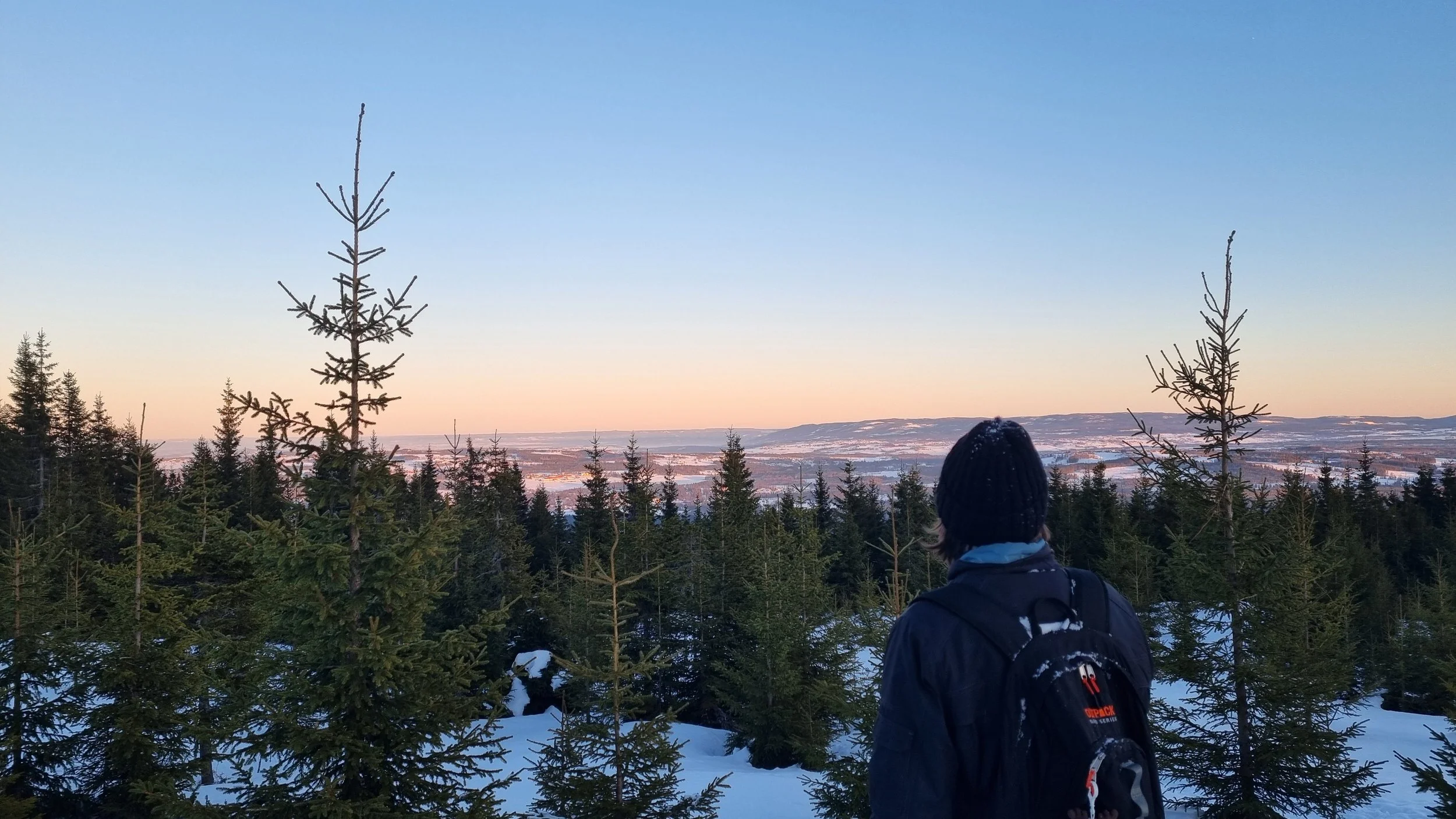
Another tip is to use random social encounters as a healing tool. Engage in some chit chat with a service worker. Compliment a stranger, or really savour it if a stranger compliments you. Try to be especially open to the people who are already engaging with you - you know, that cashier who really acknowledges your presence, that co-worker or random encounter who naturally seems to be open to you, their words flowing easily and their interest towards you clear.
Sometimes, if we have locked ourselves away from other people for a long time, it takes some time to come out of our shell again and dip our toes back into the pool of humanity.
We can forget how to even notice if other people seem open to us or not, because we are not open to them, and we see everyone else as being just as closed off.
But these small moments can be so helpful.
Every time you walk away from a pleasant social interaction, no matter how short, really try to savour it. Tell yourself that it was a pleasant moment.
With time, these moments will find you more and more. And slowly, we build a more realistic view of the world, and of people.
⋆。 ゚☾ ゚。⋆
⊹ Reminding myself that I’m a person. It might sound silly, but it’s helped me a lot. I’m just a person, and everyone else is too. Every person needs and deserves to be loved, and that includes me because I am a person too.
I don’t need to expect more from myself than I would expect from any other person.
I don’t need to be perfect, I can just be a person. That’s an incredibly freeing thought.

Just a person, like everyone else.
⋆。 ゚☾ ゚。⋆
⊹ Meditating and practicing mindfulness. Yes it works, and yes it can be challenging. It usually takes me a good fifteen minutes to quiet my thoughts enough that I actually feel like I’m meditating “properly”, but once I reach that place, it feels like I could stay like that forever. It’s great, and it feels great afterwards too, but I’m often too impatient and distractable to get there in the first place.
Meditation is especially helpful for emotional regulation (you can often feel the effects for days afterwards!) and to calm an anxious or overly active mind.
Mindfulness is more related to my earlier point about slowing down. It’s a tool that helps you be in the moment, and anything that helps you to be in this moment, right now, is good when you’re trying to heal from past trauma.

A small tip to help you stay in the moment: Touch things around you - things that are in the present with you right now. Touch your own body (many find touching the feet to be especially grounding), touch trees and plants as you pass them on a walk, touch the armrest of the couch you’re sitting on.
This helps with derealization too, which is a common PTSD symptom where the world feels kind of unreal or detached.
When I was struggling a lot with derealization, touching the tall grasses I walked past in my neighbourhood really helped.
Healing doesn’t always have to be some Herculean task - small, simple things can offer just as much relief.
⋆。 ゚☾ ゚。⋆
⊹ Taking gentle risks. Doing things I would have deemed ‘too scary’ and not even tried a few years ago. Doing little things that challenge or scare me - just enough to feel a sense of achievement and progress, but not so challenging that it becomes too much.
What I mean by ‘gentle risk’ is something you logically know carries very little risk with it - it’s not actually dangerous, even if you might feel scared by it.
Something like swimming in a lake even though you’re slightly uncomfortable with the murky bottom. Going to a café, or going to see a movie by yourself. Driving somewhere you’ve never been before, bonus points if it’s alone. Posting something honest on social media. Showing someone a side of you that you usually keep to yourself. Singing karaoke. Disagreeing with someone about something small, instead of pretending to have the same opinion as them.
(You get it. It’s not about putting ourselves in any actual danger, just expanding our comfort zones, bit by bit, until suddenly one day you find yourself living a life you didn’t think possible and doing things you didn’t think you were strong enough to do. But you are strong enough, I promise.)
When you’ve experienced traumatic things and been stuck in those experiences for a while, your comfort zone (your safe zone) becomes very small.
You subconsciously try to be in control of your surroundings as much as possible, and anything too uncontrollable is deemed ‘unsafe’ in your mind.
A few years ago, I suddenly became very afraid of driving in slippery road conditions. Things like ice, snow or rain coating the road would make my anxiety spike.
This is not something I had been afraid of previously; I trusted myself to be a competent driver who makes good choices, and that was enough. I’ve always been careful while driving, but not actively anxious. So when that suddenly changed, it surprised me.
I remember wondering why I was suddenly so scared when I hadn’t been before, and wondering if this was how it’s going to be from now on (spoiler alert: it wasn’t permanent).
I would hyperventilate, cry and have panic attacks. If my boyfriend was in the car with me, I would apologize twenty times and say I don’t know why I’m like this, but I’m really scared.
I felt embarrassed and ridiculous afterwards, which contributed to the long list of things I was often reprimanding myself for. All the ways in which I’m not good enough, everything about me that’s ridiculous and needs to change (or else I would be 'unacceptable’).
I tried so hard to stop being afraid, but I was trying by force. Honestly, I could have saved myself the effort. It’s like angrily shouting at yourself to stop being afraid - all it accomplishes is making you feel bad for being afraid in the first place. It’s just another thing to add to the list of things you need to “fix”.
To heal the parts of you that are scared, you need compassion (especially self-compassion, but compassion from other people helps to validate your feelings and experiences, and is important too).
No one ever healed by being angry at themselves. No one ever healed by forcing themselves to be different, be better, right now.
We heal by allowing. Allow your feelings to come up and allow them to be heard and felt. Allowing yourself to be a person, with everything that entails.

This phase of driving anxiety makes perfect sense to me now, from my vantage point in the future. My nervous system was on constant alert and it was simply trying to keep me safe. This meant preventing more bad things from happening and avoiding anything too unpredictable, because ‘unpredictable’ means the risk can’t be calculated beforehand.
So then, it’s better to overestimate, rather than underestimate the risk, right?
Even though I generally feel a lot more safe and secure within myself than I did back then, I still deal with these occasional spikes. The anxiety can come on hard and fast, the edges of my vision almost blackening, or it can be like a small worried voice in the back of my mind, asking “are we sure this is safe?”.
Either way, now I see it for what it is (most of the time, at least): My nervous system overestimating the risk, miscalculating the danger I’m in. And when it does, I thank my body for trying to keep me safe, and gently tell it that it’s okay and we’re safe.
(Lately, when I’ve been in a situation that actually could be dangerous and I get that kind of anxiety spike, I have again thanked my body, but then told it that I need my full concentration to get through this right now. Just as gently as I would otherwise. But just “I know you’re scared, but we need to focus on getting out of this situation right now, and panicking would not be helpful”. And it’s worked! I was actually surprised to find out that was something I could ask of myself.)
One of the hardest parts of recovery, is accepting and being okay with the risks that come with living.
Going to the mall by yourself isn’t dangerous, but: you can get injured or die in traffic on the way there. You can get caught in a mass-shooting at the mall. You can run into the ex that abused you. You can have a flashback out of nowhere that leaves you gasping for breath in the mall bathroom (trust me, I’ve been there).
Living well means accepting the risks of everyday life and still choosing to live the way you want. It means accepting that life can be scary, the unknown is scary, and that’s okay.
It’s natural to feel this way, but we know how to handle those feelings.
We can thank our bodies for trying so hard to keep us safe, and we can allow any emotion that comes. You need to cry a little bit? That’s okay. You need to move around to get some of the anxious energy out? No problem.
⋆。 ゚☾ ゚。⋆
One of the most painful, but necessary truths we can realize as adults, is that we need to save ourselves. Other people can help us, but they can’t do the work for us. They can’t fix us, and spending your whole life waiting to be saved by someone else is just breaking your own heart in the end.
We need to become the person we would have needed when we were young, fragile, afraid. Doing so is the ultimate act of self-love, self-compassion and self-respect. By working to become this person, we are telling ourselves “you matter and you deserve better”.
Doing this work also has a profound effect on everything we touch, everything we leave behind. We are healing not only ourselves, but our families. We have the power to become a strong, gleaming link in the chain that binds us all together.
Healing spreads. Love spreads.

Made a moth-friend <3
As you can probably see by now, the methods to healing are as interwoven as the trauma itself. It all goes together, everything contributes. Just as there is a network of trauma, there is a network of healing.
Healing can be visualized much the same way as trauma - like a forest of trees with touching branches. Every small act of healing contributes, like a fresh sapling. Every big act of healing is like a tree growing tall, strong and healthy, its’ branches stretching out to touch the surrounding, smaller trees too.
Healing can come from some pretty unlikely places, and we have to be open to some pretty strange methods. (But, it is only strange when we don’t know how and why it works.)
You don’t have to make trauma your special interest in order to heal (I’ve already done that for you). That was a joke. But you seriously don’t have to. That’s why masterposts like this one exists - for you.
Maybe you don’t have the time or ability to sift through vast amounts of information in the hopes of finding some way forward. Maybe you’re desperate and don’t know where to start.
No matter who you are and why you’re reading this, I truly hope there is something here that will help you.
You are not alone.
I promise you, there are both strangers and loved ones rooting for your recovery. Wishing for you to rediscover your light. Wanting you to join us out here in the world.
You belong, just as much as anyone else. I hope you feel that soon, if you don’t right now.

Get to know me
Hello, friend! ✿
I thought it might be a good idea to have a bit of an introduction post, so we can get to know each other a little! Well, you can get to know me, at least. I would love to get to know you too, so feel free to tell me about yourself in the comments. ˶ᵔ ᵕ ᵔ˶
Now, I’m here to answer the question “who the hell is this person and why should I read her blog?”
Well, let me tell you:
Hello, friend! ✿
I thought it might be a good idea to have a bit of an introduction post, so we can get to know each other a little! Well, you can get to know me, at least. I would love to get to know you too, so feel free to tell me about yourself in the comments. ˶ᵔ ᵕ ᵔ˶
Now, I’m here to answer the question “who the hell is this person and why should I read her blog?” Well, let me tell you:

This is me.
I live in a valley called Snertingdal, high up in the hillsides. We’re pretty much surrounded by forest here, which I love, but there is also a lot of logging, which I find depressing.


We’re known for bad roads and scenic landscapes.
I moved out at age 19, and have moved around a lot since. But where I feel most at home is in nature, or at least close to it.

I have five (5) cats, mostly on accident. They are the loves of my life, and acquiring pets was honestly one of the best things I ever did for my mental health :’)


You open your eyes in the morning, this is the first thing you see. wyd?
My hobbies include reading, drinking too much cinnamon tea, crocheting, gardening, doing my nails, hiking, roadtripping, watching horror movies, playing video games, and taking naps - usually with a cat or two on me.

When crocheting, it helps to have an idea of what the finished product will look like.

He loves books almost as much as I do.
My home is my safe place, and I like to be surrounded by all the things I love, preferably with many reminders of nature. My goal is always for the spaces I inhabit to be as cozy and inspiring as possible.


Autumn is my favourite season. It’s the time of year when I feel most like myself. The weather and all the colours makes me come alive! Halloween is my favourite holiday (I’ll take any excuse to dress up) and as an October baby, my birthday is also around the same time. It’s just the most magical time of year to me.

I am currently writing my first novel, a folk horror story loosely based on a nightmare I had in 2021. The dream stuck with me, and as I kept thinking about it, the story kind of unfolded itself from there.
This story feels like my baby, I’m very protective of it and I’m also very selective about who I share it with, for now. It’s too new and undeveloped to be fully out there yet, haha. If you’re a writer too, hopefully that’s something you can relate to.
Writing is a slow process for me, and more of the work happens in my head than on paper. Inspiration strikes in sudden bursts, and I have to pull over on the side of the road, or jump out of the shower to write right now.

That’s a pretty accurate description of how I function in general, actually. If there’s a window of opportunity to get something done, then I need to act fast. Wait too long, and the window might close, and who knows when I’ll be able to do it again. Could be an hour, could be a few days or two weeks.
I’m still trying to find a balance so I’m not rushing to get things done, but it’s hard when executive dysfunction can be so disabling - you just want to take every opportunity you have to do stuff.
I used to not consider myself disabled, but in truth, I definitely am. The steps required to do something, or just to live as a regular person, are often harder for me than for other people. That’s how you know you’re disabled - perhaps you can do the same things, but it will cost you more, require more (or a different kind of) effort. Plus, you might have less energy to begin with (you know, spoons and all that).
So, you’re automatically at a disadvantage. That says absolutely nothing about your value as a person, it just means you can’t hold yourself to the same standard as neurotypical, able-bodied society, because doing so is the fastest way to wreck yourself. Believe me, I know.
I love being autistic and wouldn’t change it for anything, but it comes with certain challenges, not to mention inconsistent functioning levels, which add a level of unpredictability to my days.
Between executive dysfunction and sensory overload (and other fun “side-effects” of being autistic), having PTSD, and getting frequent migraines, managing myself well is a full time job.
As I’m getting older, I’m understanding more and more the importance of rest and recovery - how vital it is to everything else. But rest, like everything else, requires practice to get good at.

For most of my life, I have struggled with emotional eating. That used to be something I had a lot of shame about, but now it feels more like a neutral fact about me.
We all use the coping skills we have available to us, and past me got me to where I am today, so how can I not be grateful for that?

I’m not where I want to be yet, but my relationship with food and my body has improved so much.
I like my body more with each tattoo I get.
I got the first one at 16 and the process of it felt strangely therapeutic and cathartic (my fellow self-harmers get it lol …sorry, too dark?)
And I don’t really regret my old tattoos that I wouldn’t necessarily choose again today, because they are a reminder of who I was, and that she is with me, the girl who got those tattoos and loved them. She lived in this body too, and she had a right to make her mark upon it.

During & after getting my most recent tattoo.
I love the night sky, the moon, stars and planets. Astronomy was my earliest special interest (aka autistic passion), and it’s one that’s stayed with me my entire life.
I could never feel alone when I’m looking up. Even if I’m really sad or stressed, there is something about the night sky that grounds me every time I see it.
Dark sky conservation is something I’m super passionate about. I think seeing un-lightpolluted skies is a human right, and not something we take seriously enough.


Comet hunting in the sunset on a cold January afternoon.
So, now you know a little bit about who I am.
As for why you should read my blog, I guess that depends on what you’re looking to get out of the experience. Maybe you want advice on PTSD recovery, or to feel that you’re not alone in it. Maybe you want to be inspired to spend time in nature. Maybe you’re looking for permission to be yourself, to be weird, to be openly autistic. Maybe you want to feel better about yourself. Maybe you can’t relate to me at all, and just want to read about another persons experience of life.
Those are all perfectly good reasons and I’m happy to have you here, no matter what yours is.
So get yourself a cup of cinnamon tea, and join me <3

The first post on this blog
Hello and welcome to my new blog!
I say “new” because this is not my first attempt at blogging - in fact, it is something like my fifth. Back in the mid-2000s, I had a LiveJournal (complete with “just got my first DSLR camera” photography) that nobody read, then for a while in the early 2010s I had a Norwegian blog, before transitioning to Tumblr, where I remained for many years.
Lately, I’ve been feeling the itch to write again. I don’t think it ever really went away, I just ignored it and wrote in the notes app on my phone or in the many notebooks scattered around my house when the need to get the words out of my head overcame me. But I keep wishing for someplace to unite it all, someplace to have my thoughts, experiences and progress gathered, if only to have somewhere to look back on it all.
…
Hello and welcome to my new blog!
I say “new” because this is not my first attempt at blogging - in fact, it is something like my fifth. Back in the mid-2000s, I had a LiveJournal (complete with “just got my first DSLR camera” photography) that nobody read, then for a while in the early 2010s I had a Norwegian blog, before transitioning to Tumblr, where I remained for many years.
Lately, I’ve been feeling the itch to write again. I don’t think it ever really went away, I just ignored it and wrote in the notes app on my phone or in the many notebooks scattered around my house when the need to get the words out of my head overcame me. But I keep wishing for someplace to unite it all, someplace to have my thoughts, experiences and progress gathered, if only to have somewhere to look back on it all.

But I would be lying if I said it was only for myself. For as long as I can remember, I have had a need to reach other people. To connect based on shared experiences, feelings or thoughts. To be the person someone needs at a certain time in their life. To provide the words and perspectives that will help someone when they need it the most. That is also why I choose to write in English instead of my native language - because it means being able to reach more people with my words. (I believe that what is meant for you will find you, but why make it harder than necessary?)
This blog was created as an outlet for my thoughts and to have somewhere to write about the process of healing from PTSD, life as a late-diagnosed autistic woman, and what it’s like being autistic in a neurotypical world. I also want to share my passion for nature, animals, evolving as a human and the beauty of our shared existence (something I spend a lot of time thinking about). And anything else I feel like sharing. Because I’m a real person, and real people have more than one side.
I have many hobbies and passions (don’t we all?), and robbing yourself of the pleasure of sharing them with others is a specific kind of self-torture. I don’t think everybody can relate to this, but - I mean when you’re holding yourself back from sharing certain sides of yourself and your life with others, even though you want to share them, just because it doesn’t fit in with the niche others expect you to stay in, or what you expect from yourself. “Staying in your lane”, and all that. And you find yourself thinking “I wish I could share this with people, but it wouldn’t fit, it would be too random, no one would be interested too see that from me”.

But this is what we are told to do. It’s almost like we’ve been conditioned, at least over the last decade, to “pick a niche”. If you want your work (whether it’s writing, photography, making videos, etc.) to reach your intended audience and succeed, then you need to pick a category and stick to it. Make yourself predictable enough that people always know what they will get from you. If you stray too far from that, it will be too chaotic for anyone to follow.
Personally, I don’t think that’s true.
It doesn’t work for me, and it doesn’t seem to work for most other people. People do not easily fit into boxes, and I don’t think it’s good for us to try too hard to do that, either.
Whenever I have tried to make myself fit into any kind of category, it just makes me want to rebel against those limits, however self-imposed. It fuels a fight in my own head: “But if I do or say that, then it won’t fit with what others have come to expect of me, but if I don’t do it then I’m not being true to myself”. This can go on in endless circles until I have exhausted myself. Pointless, you might say, and you’d be right.

I think there is a growing desire to see real, multidimensional people with varied passions. People sharing themselves with the world in a less filtered way, not worrying about if their next creation will fit into the same neat box as their previous work. Letting themselves evolve however feels natural and right to them, even if they confuse others in the process.
That’s not an easy thing to do; being okay with potentially disappointing others (and potentially getting negative feedback!). But it is necessary for true growth, and like anything else, it’s a skill that can be practiced.
One of my favourite photographers (not sure if I should name them because I’m about to critique their work?? But okay I will, it’s Andrew Kearns) radically changed up his style some years ago, and I was disappointed. This was a photographer whose work I had been following and admiring for years, and who ended up becoming a big influence on me.
I remember laying in my bed and watching his vlogs on YouTube, longing to be out in nature myself, driving up a mountain, hiking, taking photos, coming home to edit, feeling happy with the outcome of the day. This was in 2016-2017, a dark time in my life. Some days, Andrew’s vlogs and work (along with the work of other photographers I admired) were the main force that got me out of bed and out of the house.
If it wasn’t for their unintentional reminders that I had something to live for, I would have stayed in bed. And the days I got out into nature, even just for a short while, kept me sane enough to handle the days when I didn’t. For that, I feel a lot of gratitude towards these people I have never met. They made a real difference in my life, and in the lives of many others too, I’m sure.

Subconsciously, I had expected Andrew’s work to always stay the same. Evolve, yes, but not into a different style altogether. Not into something I no longer liked. Until his work changed, I wasn’t even aware that I had this expectation that it wouldn’t.
I stayed a follower throughout the years, continuing to be inspired by his older photography. Whenever I saw something new had been posted - and subsequently didn’t like it very much - it still served as a reminder of how his work had affected me, once upon a time. And how now, hopefully, it was serving the same purpose for someone else.
I’ve been liking his recent work again, he continues to evolve and is an incredible photographer. But my opinion of his work doesn’t matter.
These people who inspired me don’t owe me anything. Maybe I’m the one who owes them, for the difference they made in my life. The least I can do is accept that they won’t stay the same. And I can hope and believe that when their work isn’t for me, it will be for someone else. And it will be the thing that gets them out of bed. It will be exactly what they need.

But I wonder, did Andrew experience the same internal struggle as I have, before he decided to change up his work? Did he worry about his audience being confused or disappointed, about losing followers? Maybe he did, maybe he didn’t. But it seems that he felt that this change was necessary, and went with it.
When you have a desire inside you to create, whether it’s with words or pictures or something else, it’s like having a voice in your mind that can’t be silenced. It keeps talking to you, and it gets louder and more insistent when you aren’t creating and fulfilling your visions. At least that’s how it feels to me.
You can try to ignore it, but there is a constant restlessness that gnaws at you, and the visions of what you want to be creating never stray far from your thoughts.
The same is true when we are ready to evolve, to take next steps, to go in a different direction - this need for change will keep making itself known to you until you go along with it, and tell yourself “What’s the worst that could happen? Let’s give it a try and see where it takes me.”
We are under no obligation to remain the same; our only obligation is to be true to ourselves.
This blog is my journey in doing just that.
It is my hope that my writings will reach those who need it. If you are here, then this is for you ♡